Giclée Fine Art Reproductions





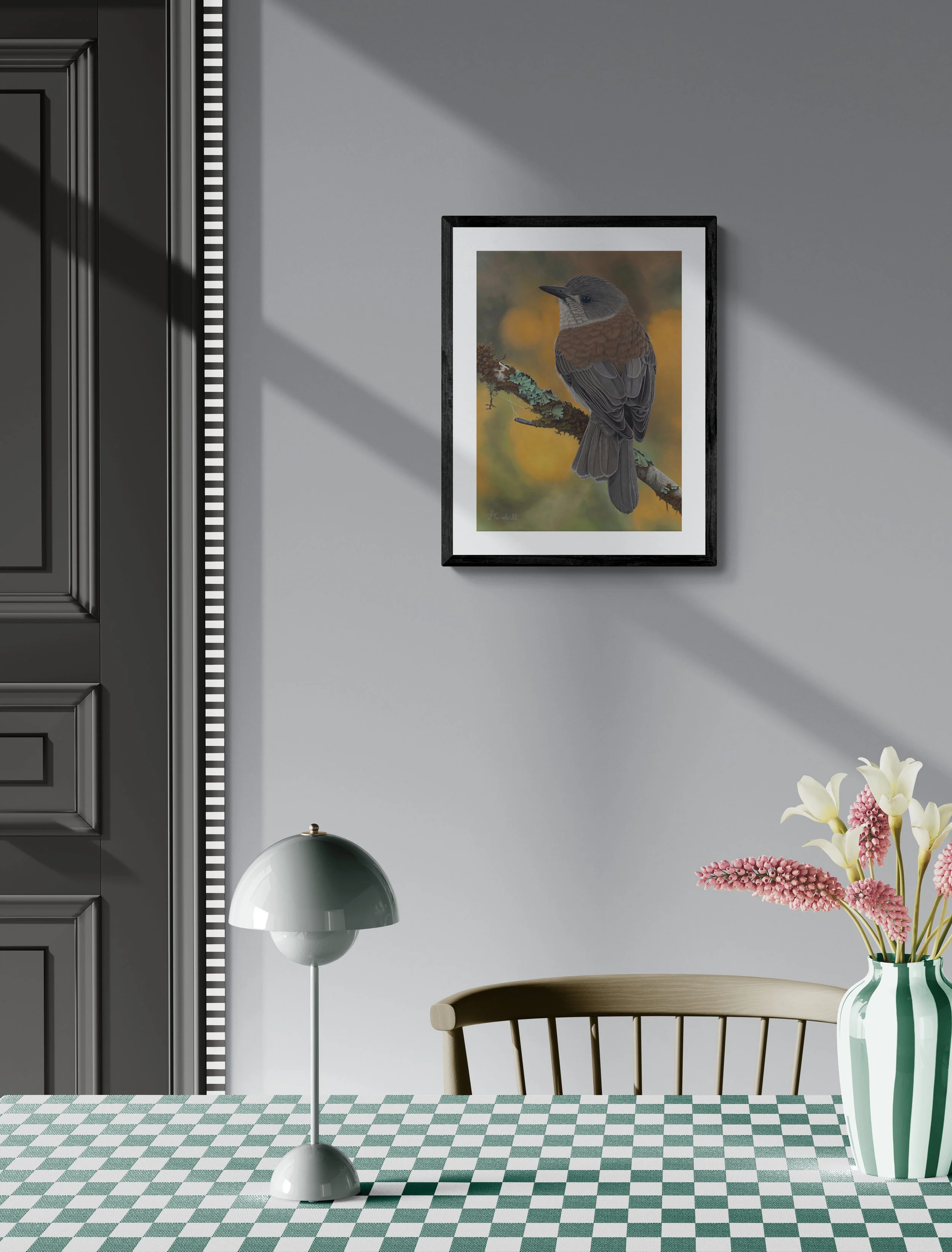
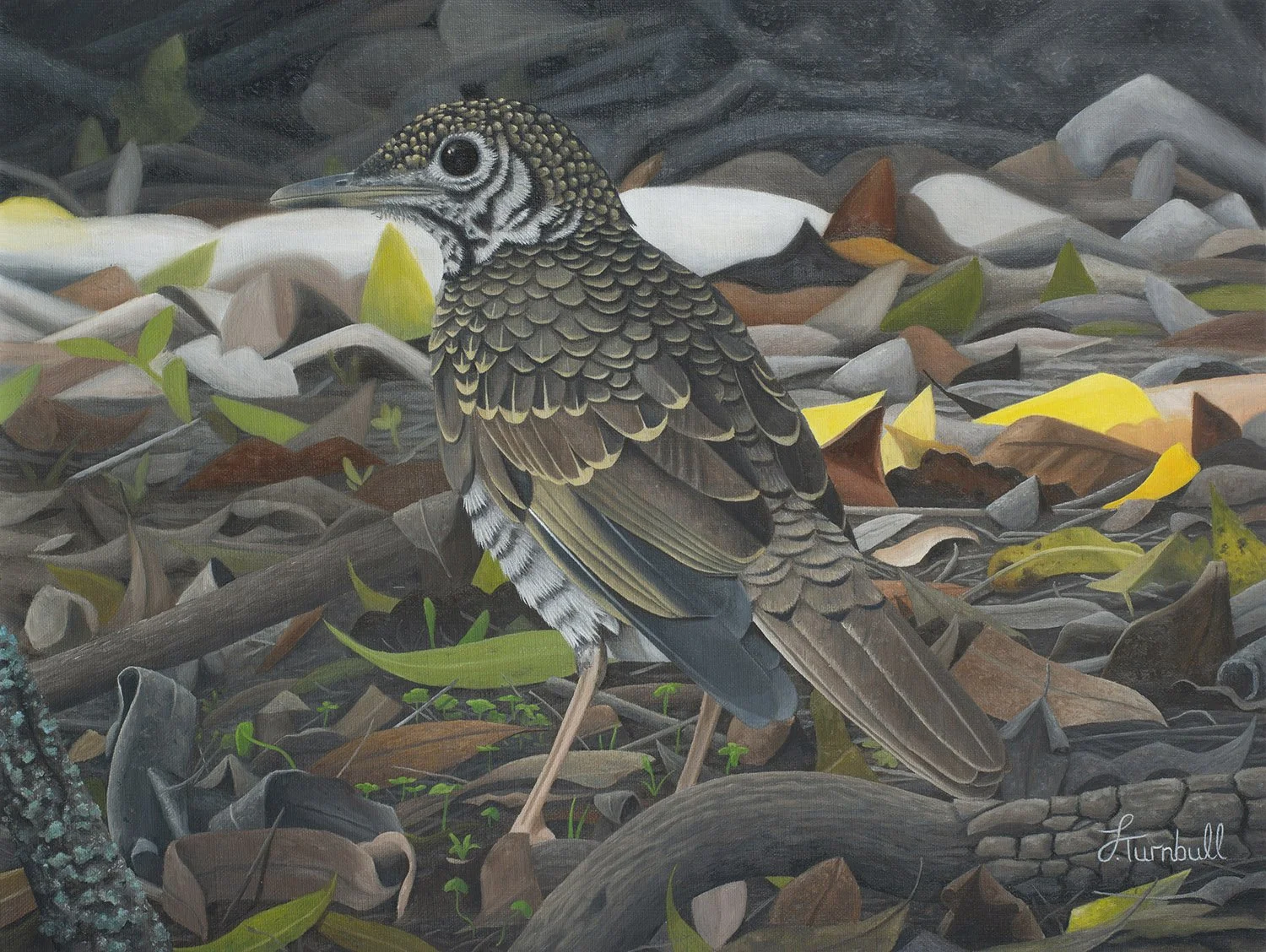
FAQs
-
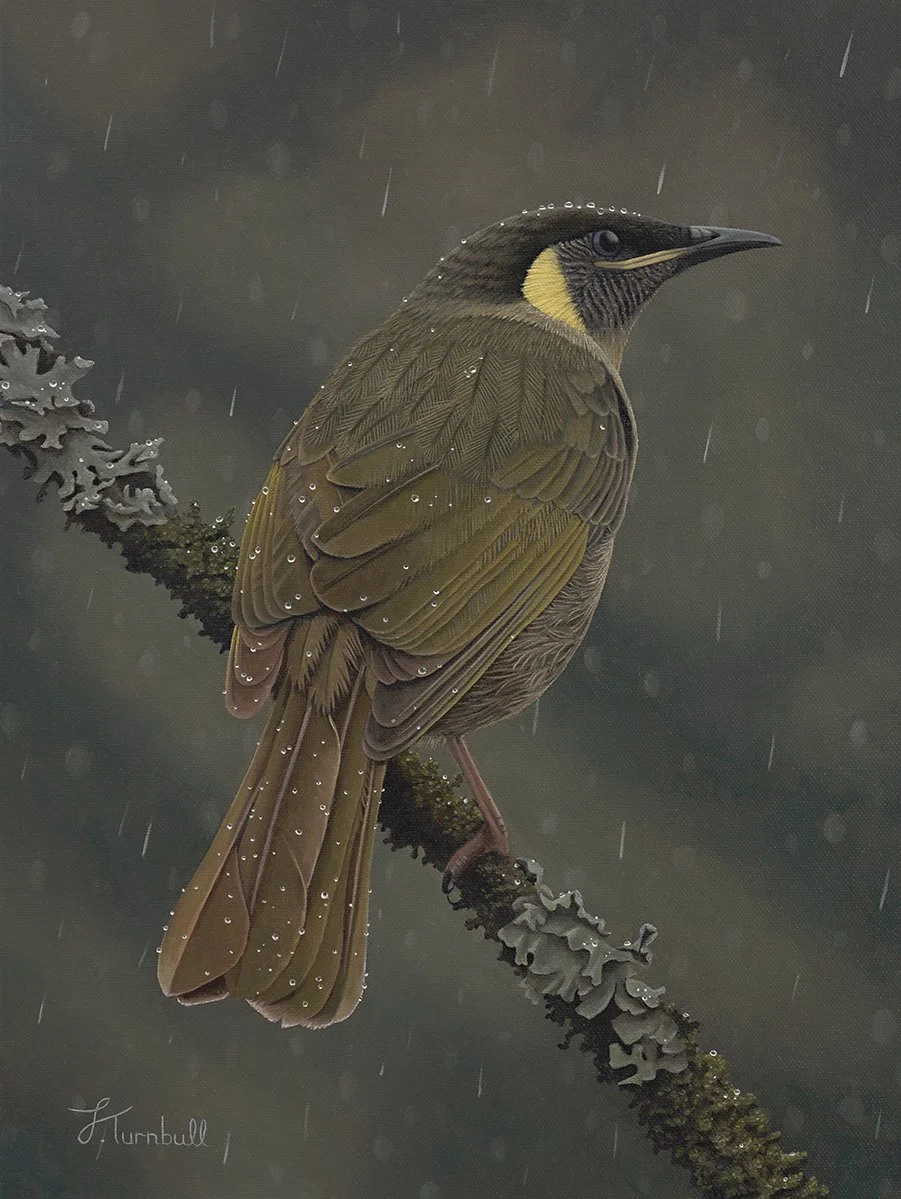
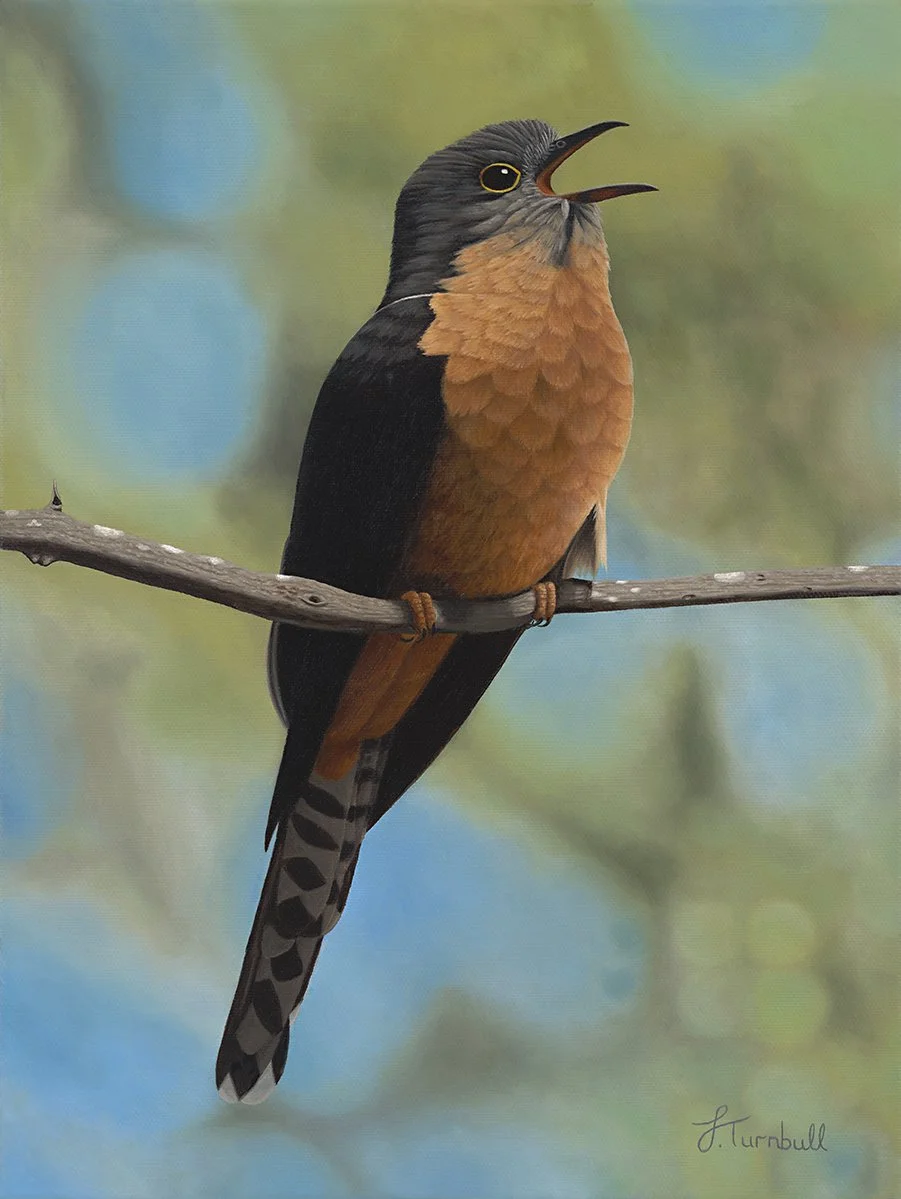
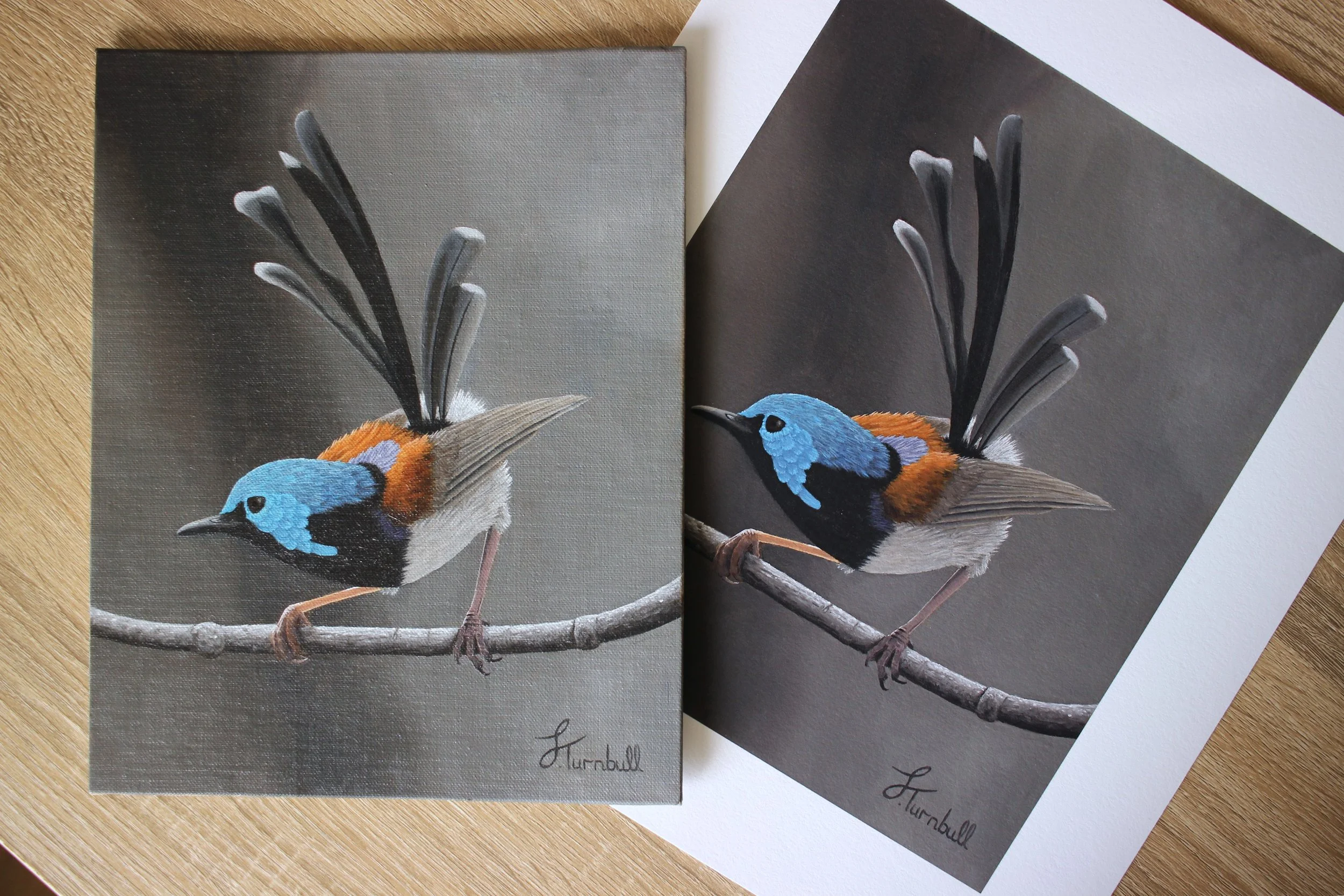
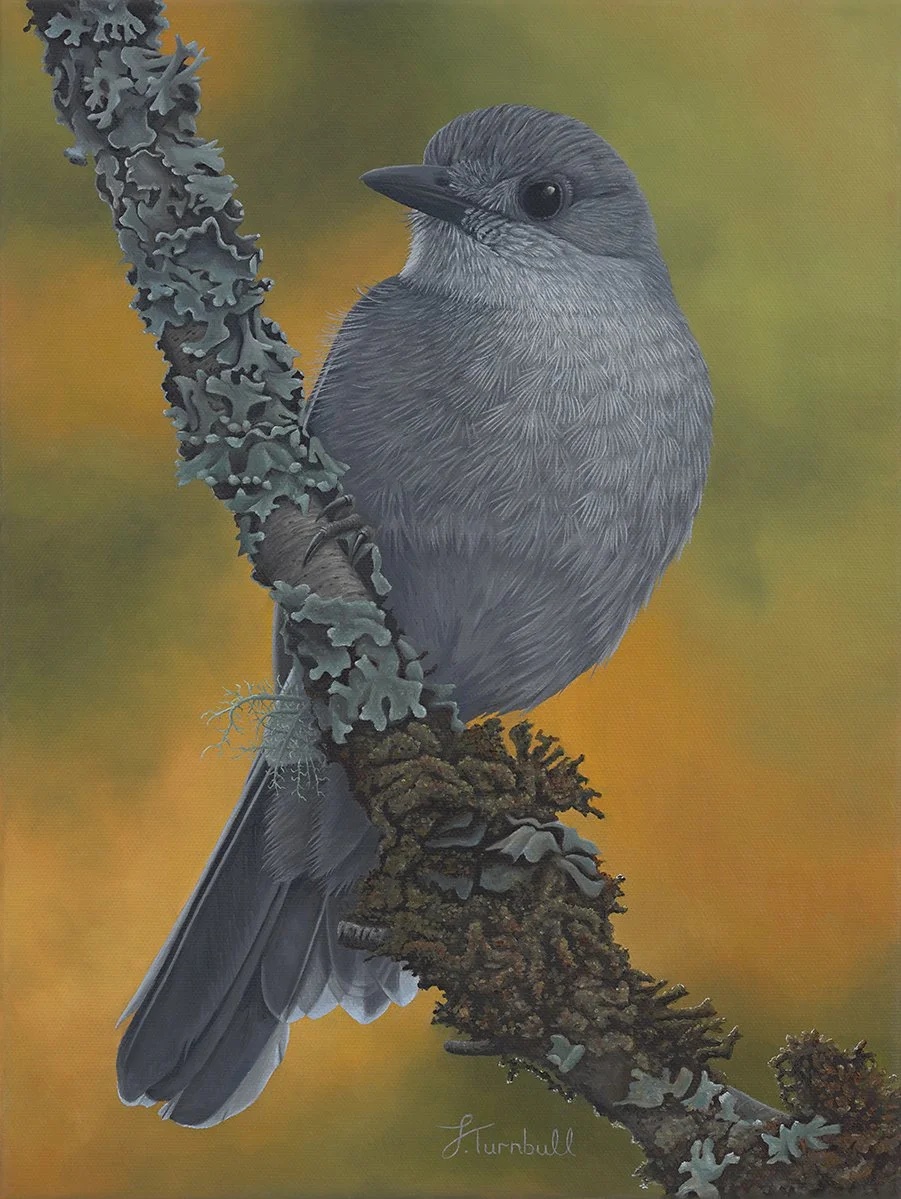
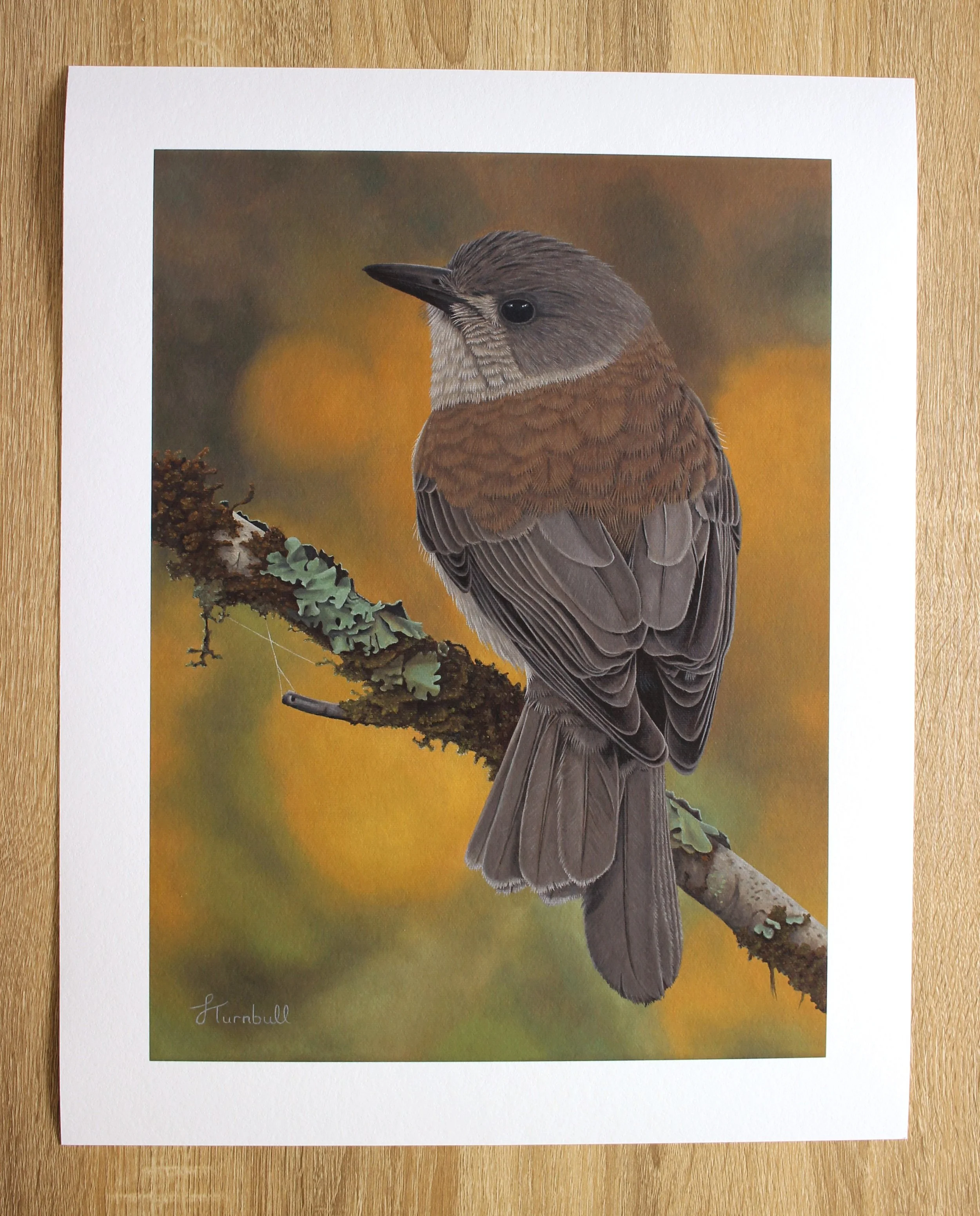
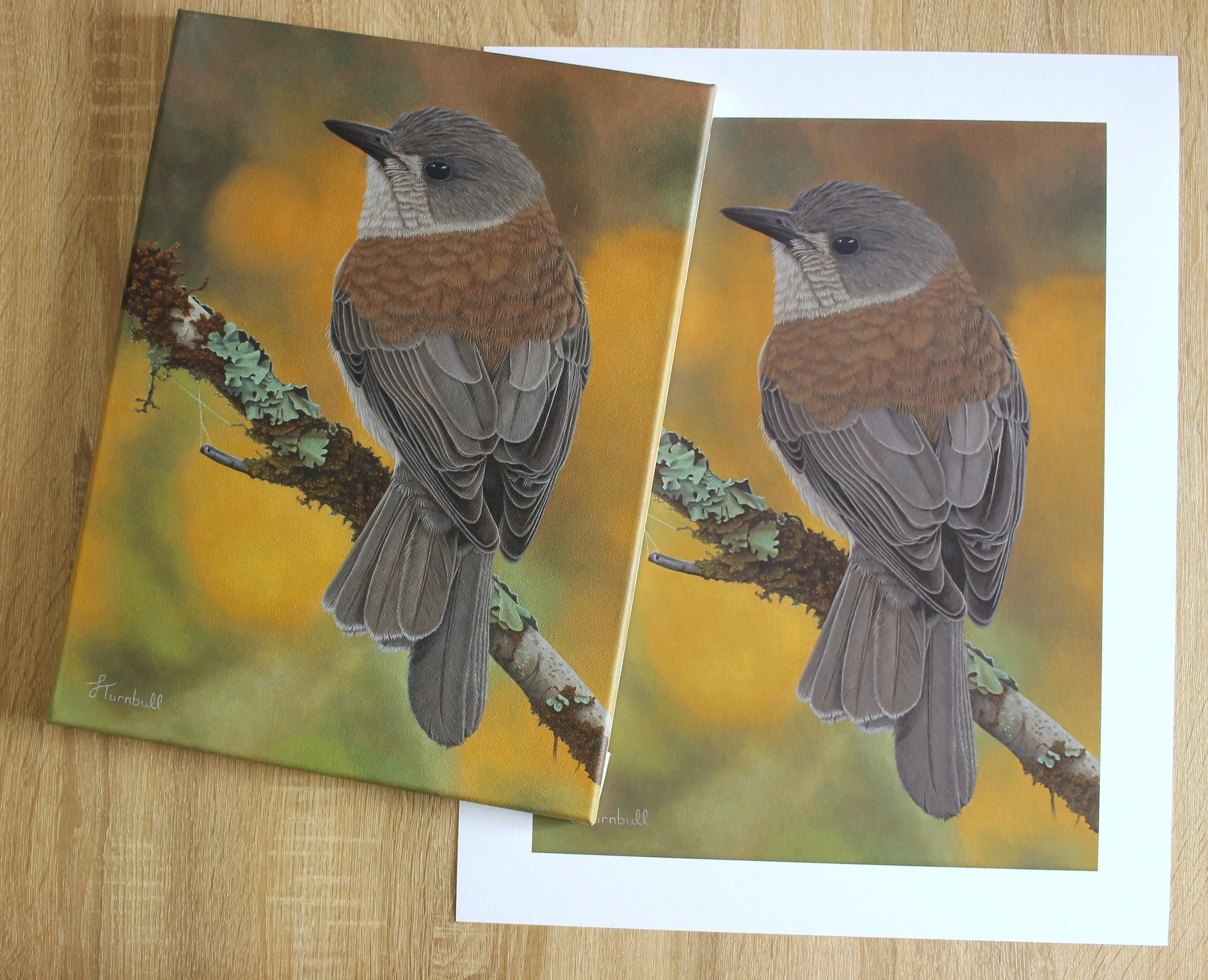
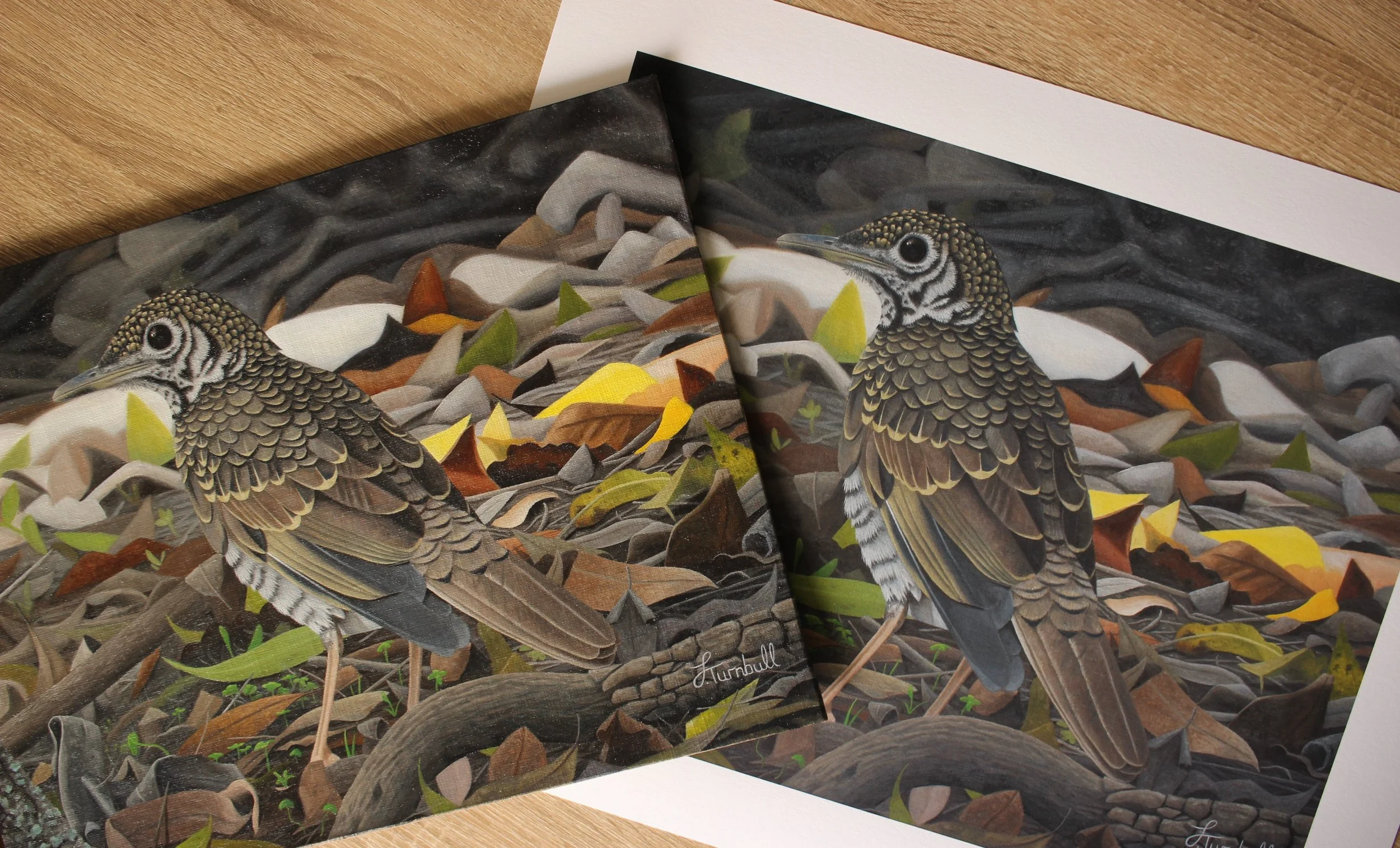
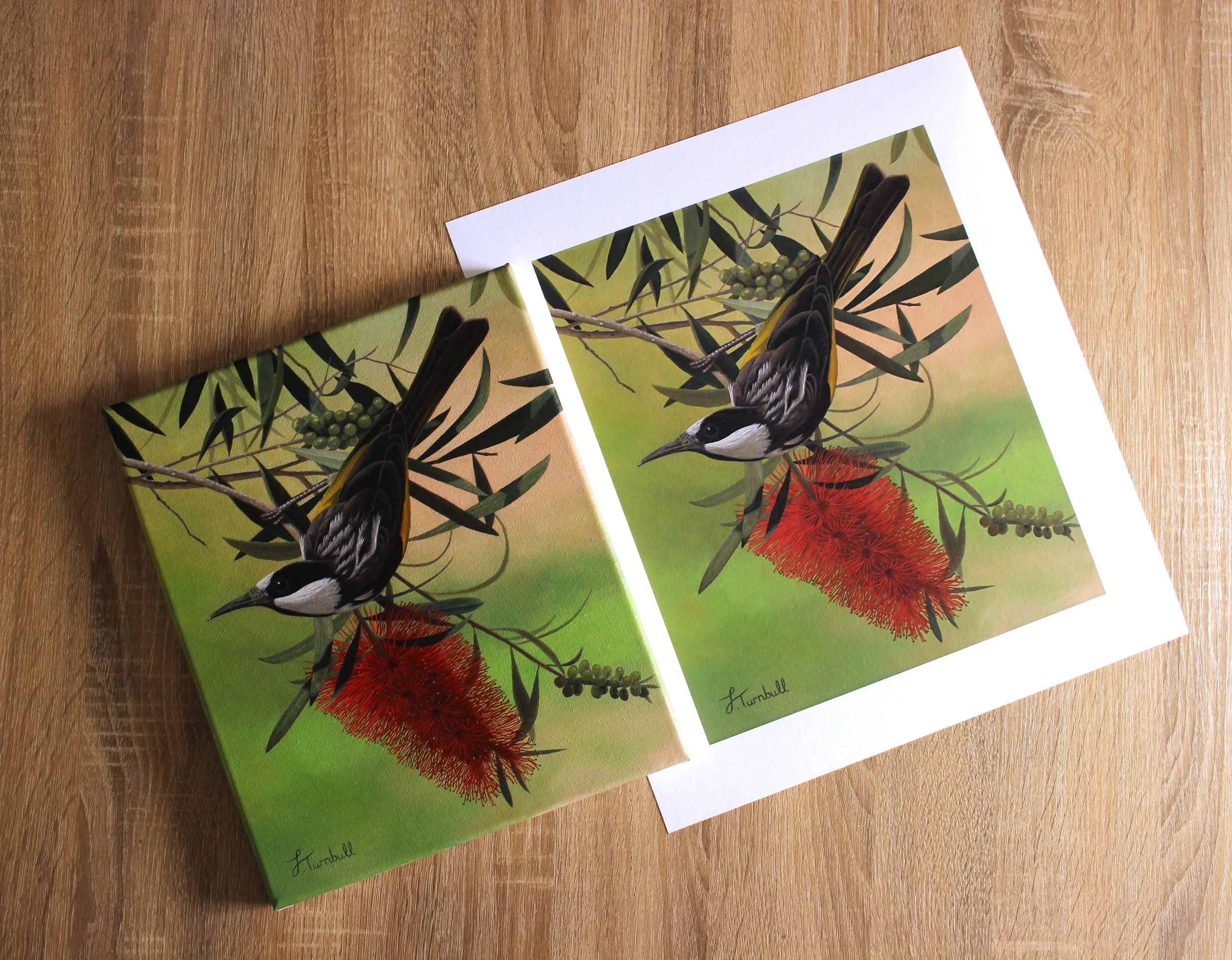
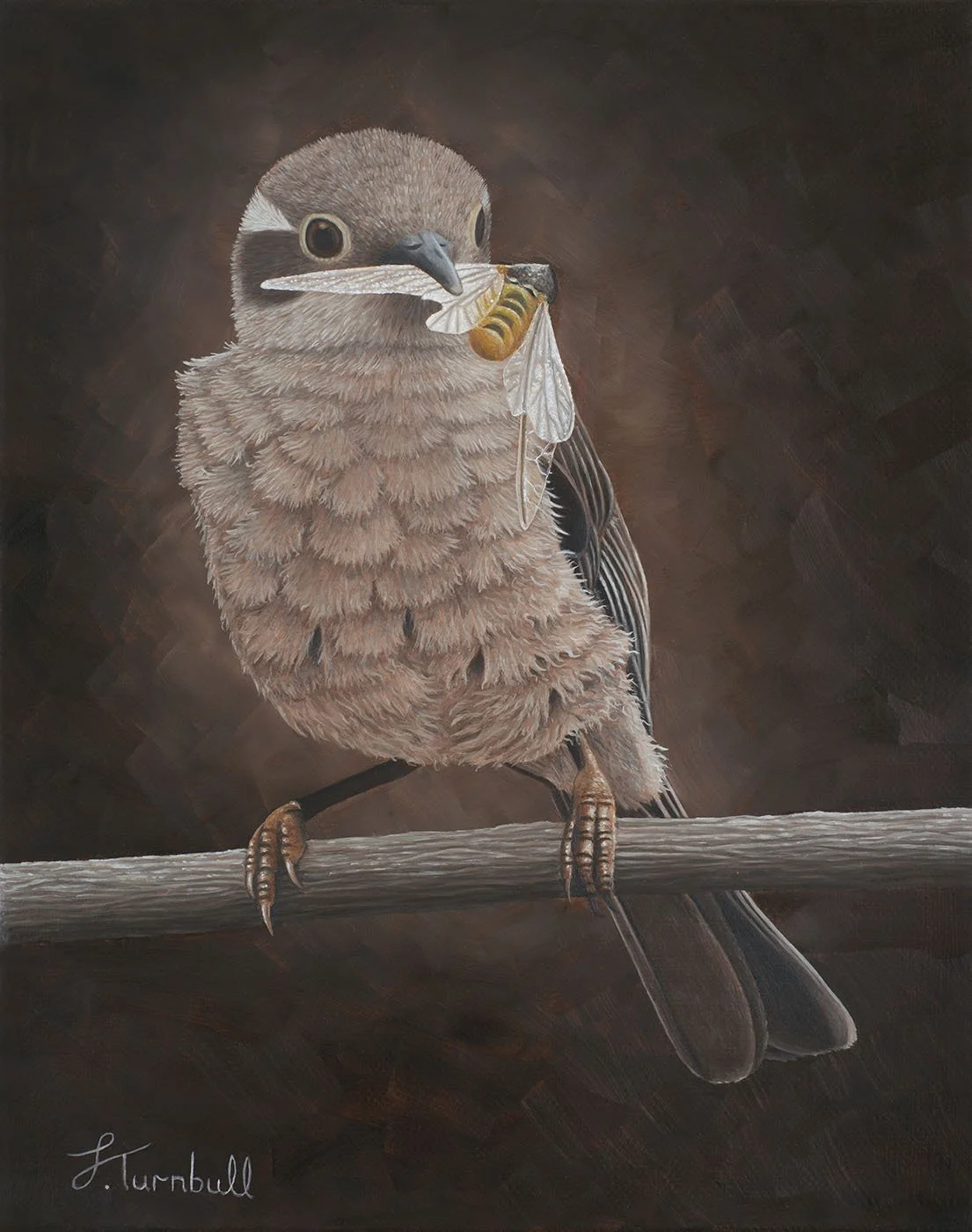
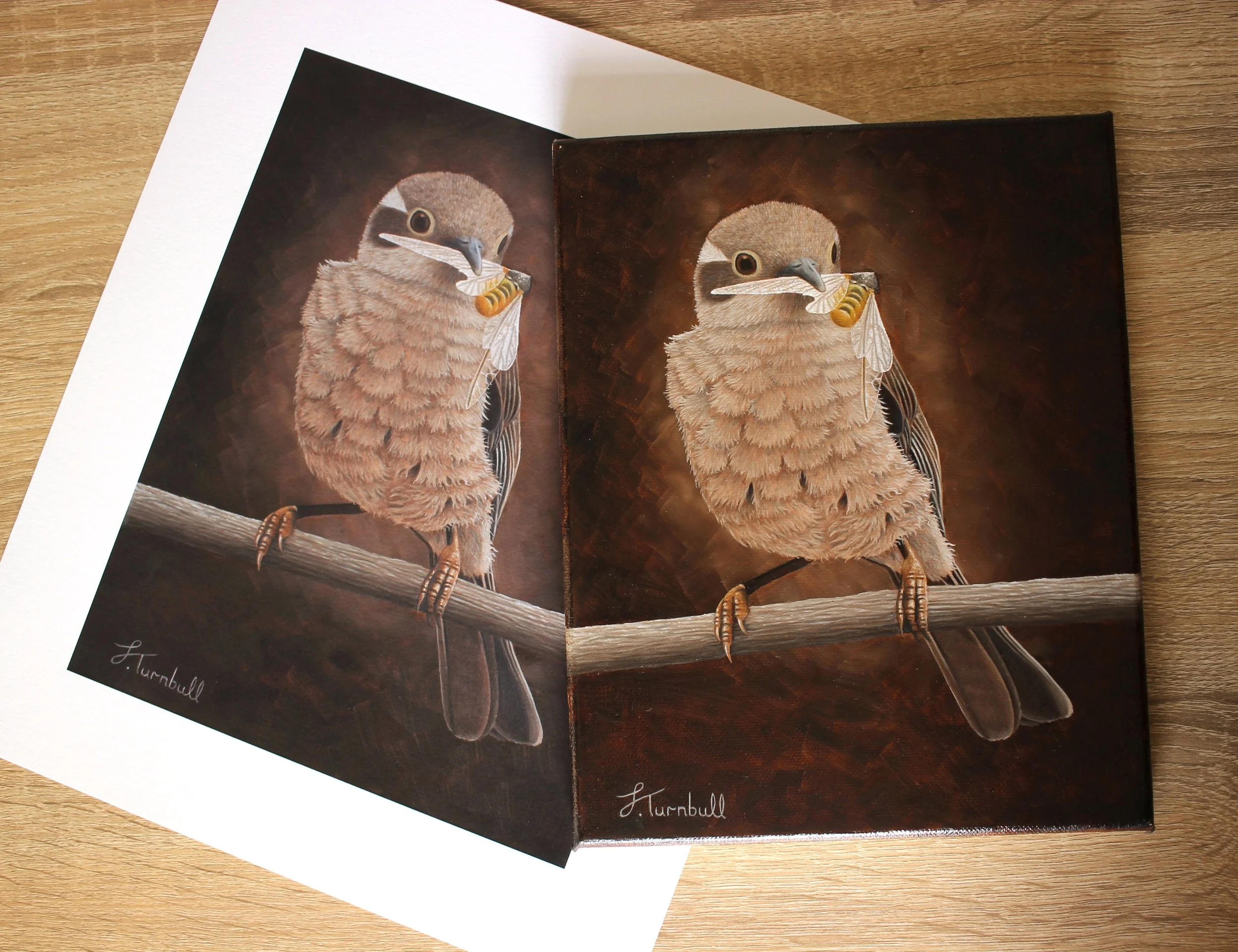
What exactly is a Giclée reproduction? How do I even pronounce Giclée? What does archival quality mean? Let me help you out with these great questions. Giclée comes from the French term ‘Gicler’, pronounced as ‘Gee-Clay’ in English. The meaning refers to the process of spraying ink onto paper, which the modern high precision printers do to create high-quality, detailed reproductions of artworks.
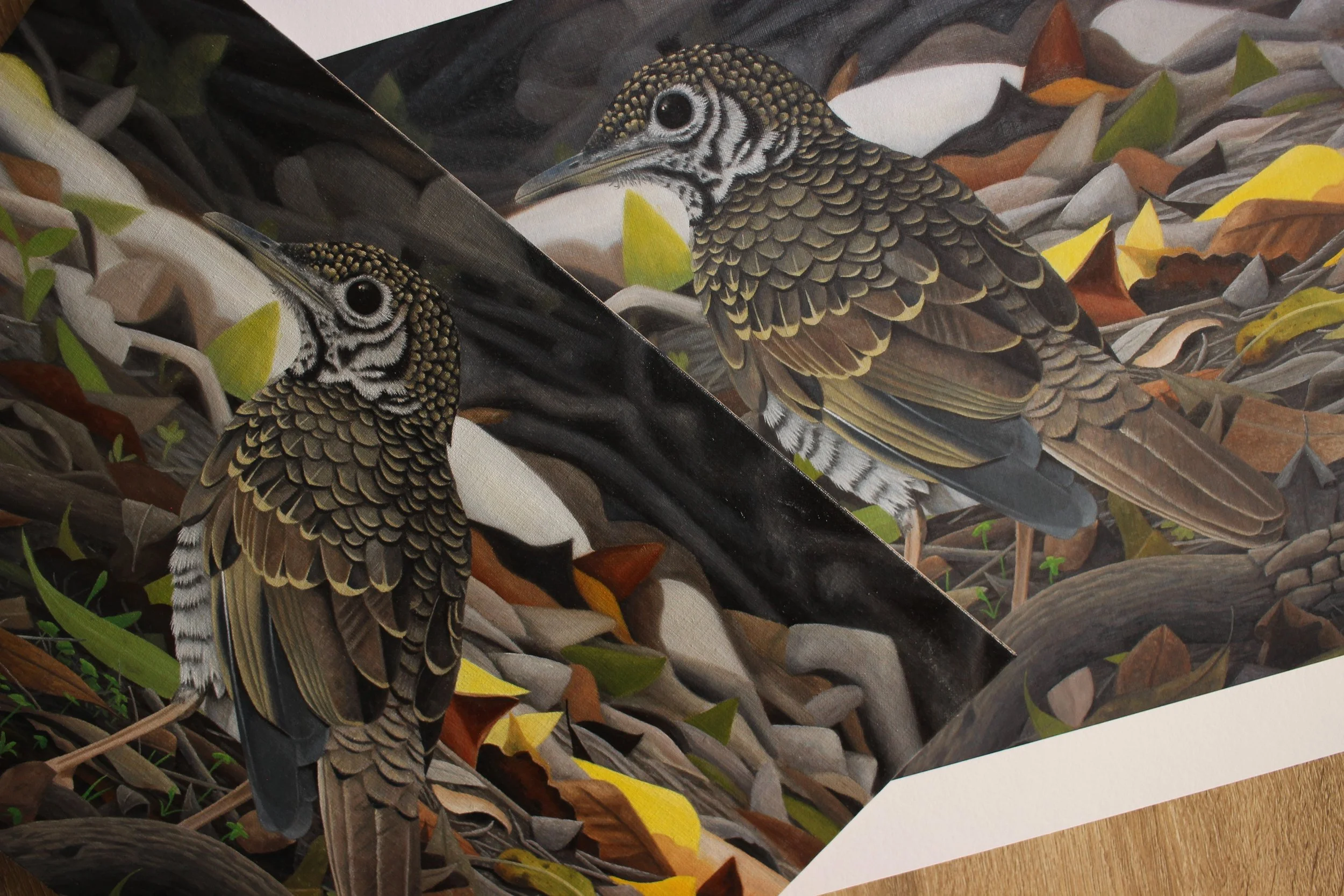
Giclée prints are known for their longevity and vibrant colours and are often used in galleries and museums. Giclée prints differ from regular inkjet prints by their use of archival inks and materials, which are suitable for long-term preservation and are resistant to deterioration from factors such as light, humidity, and chemical exposure.
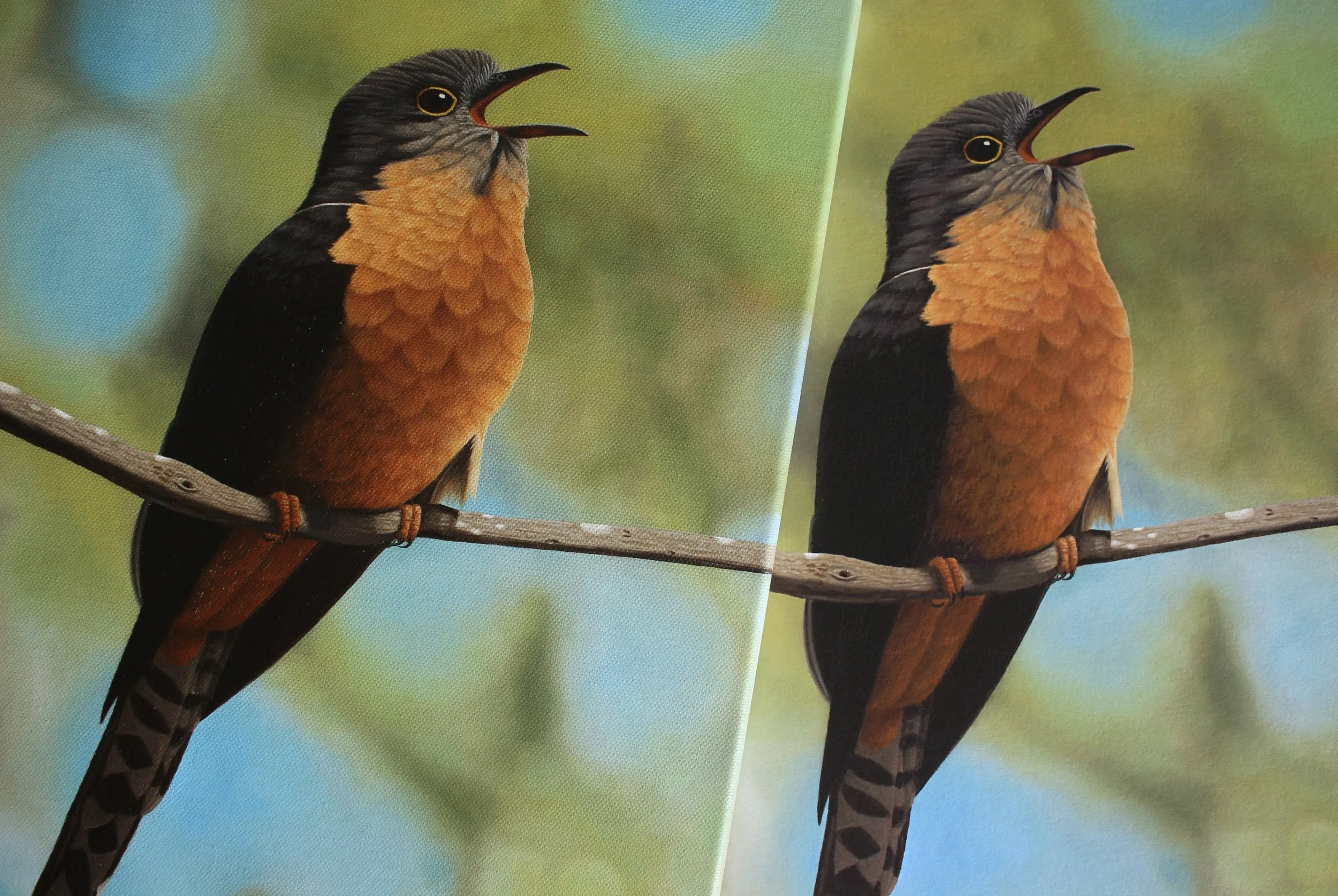
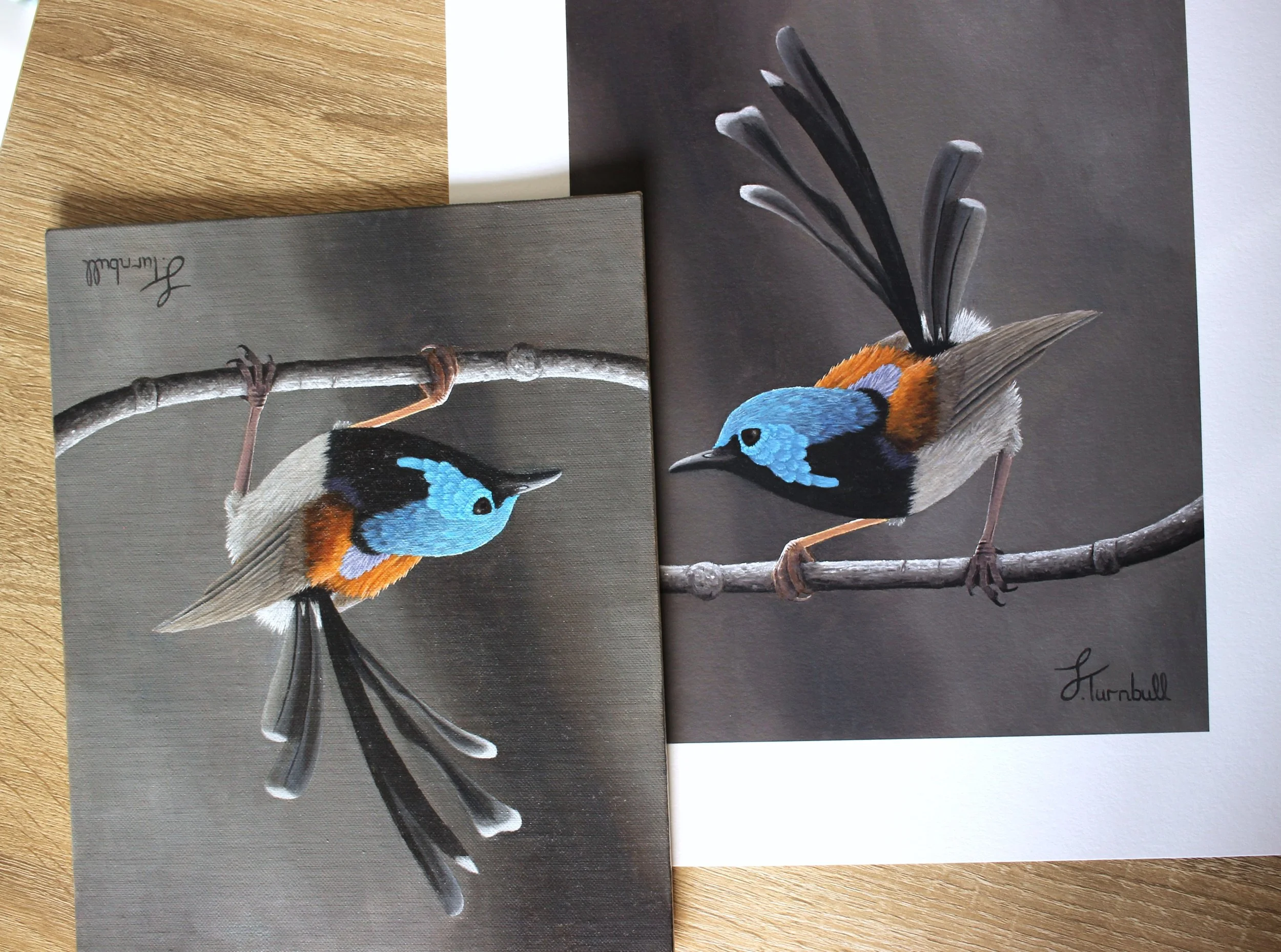
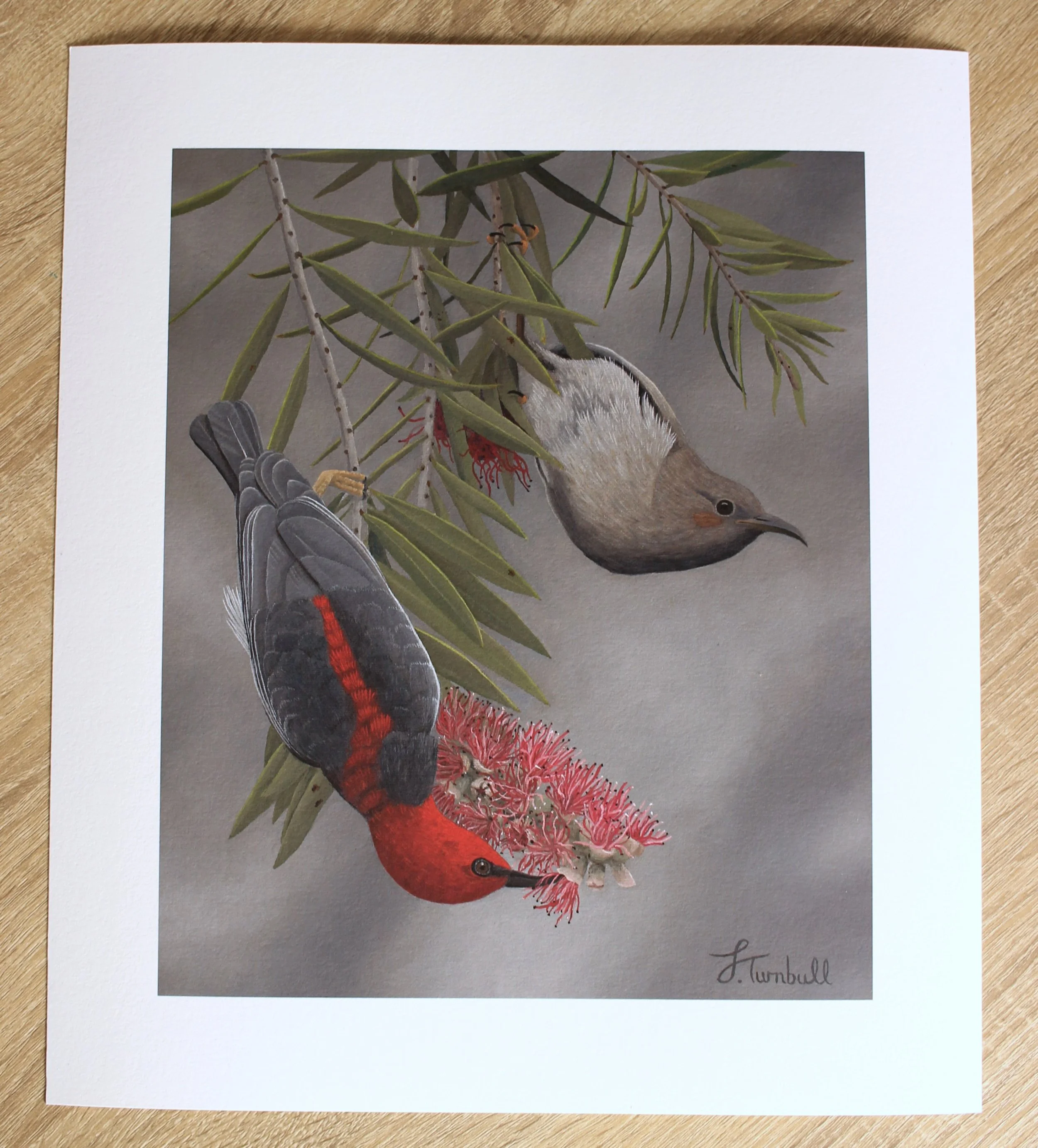
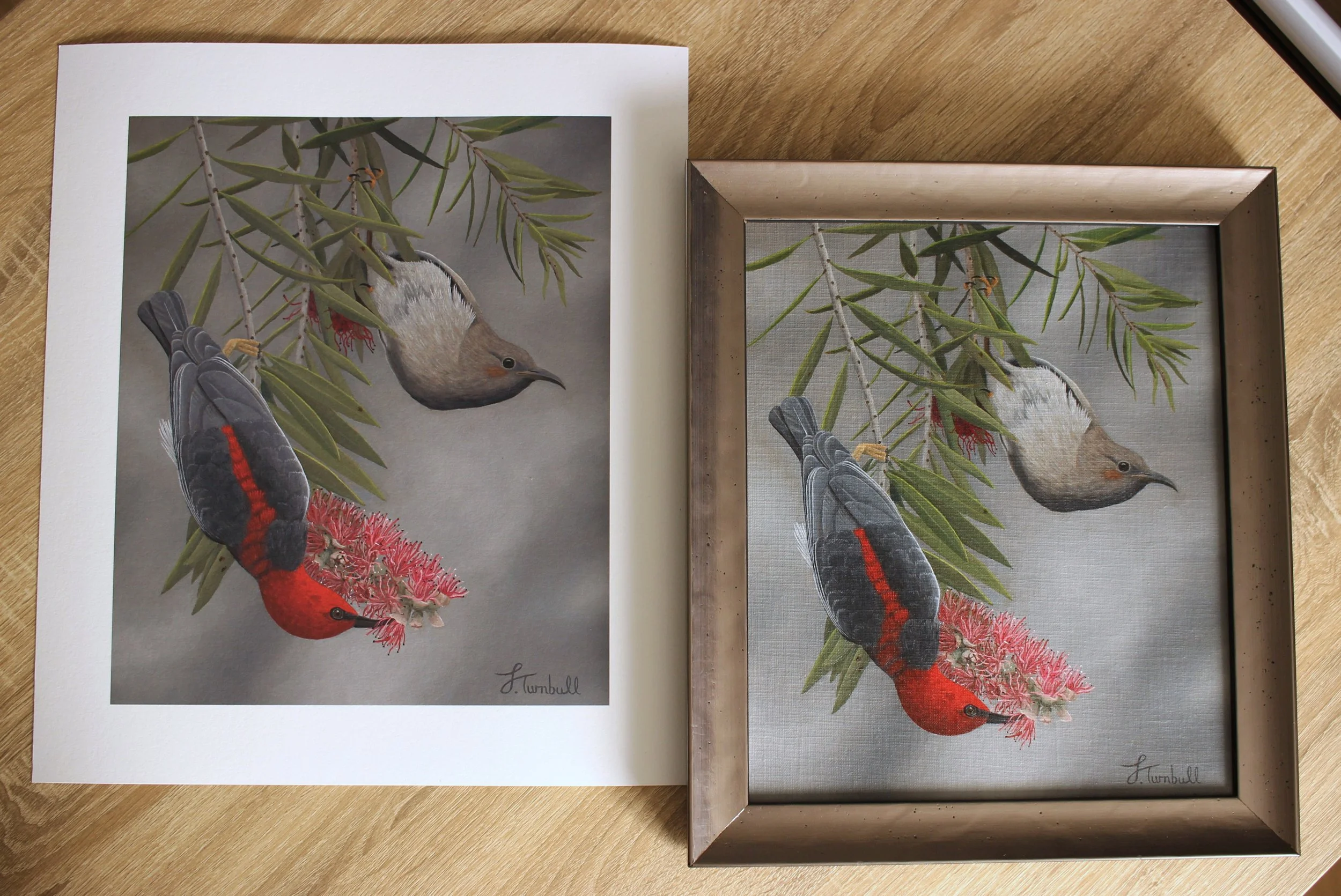
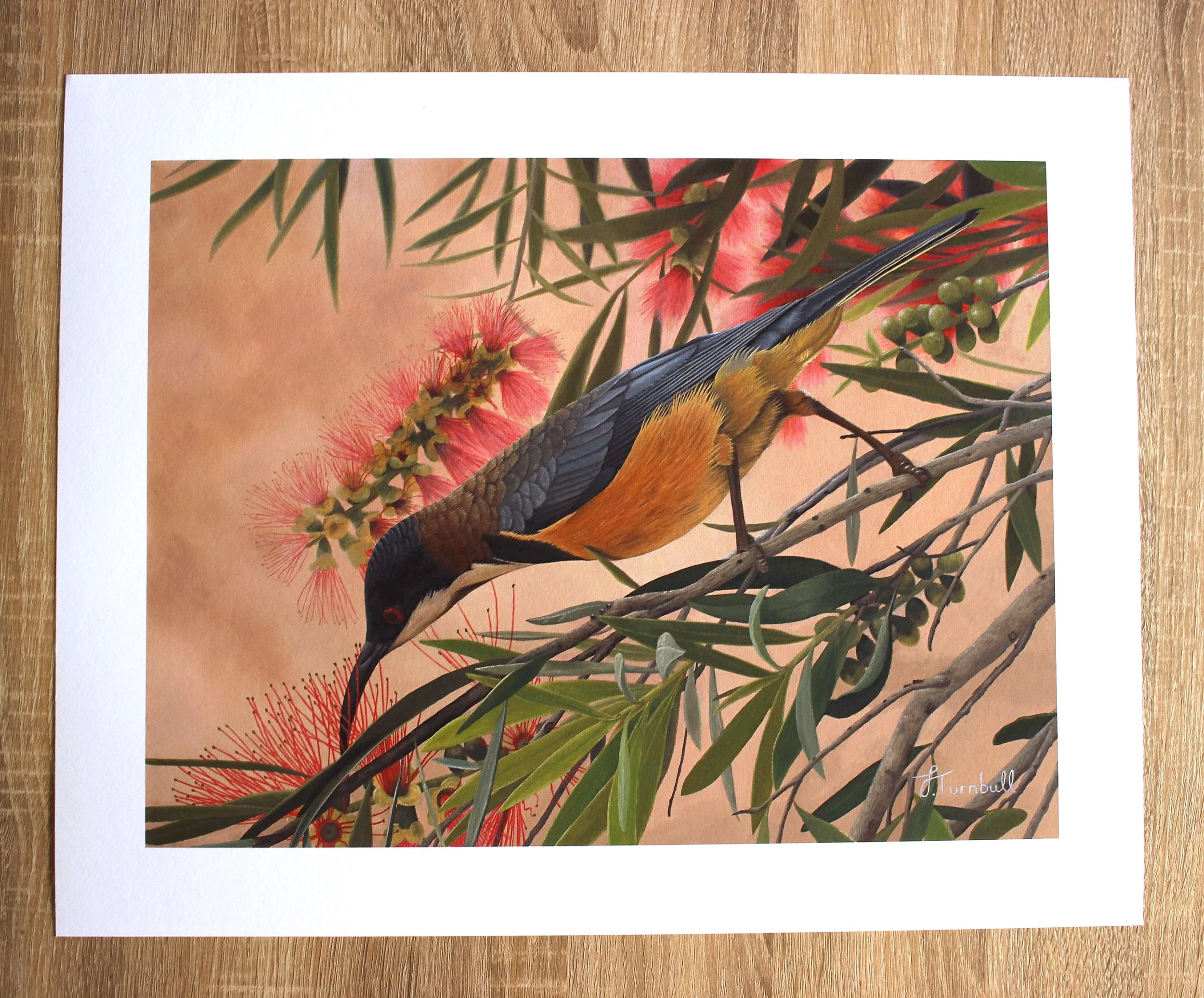
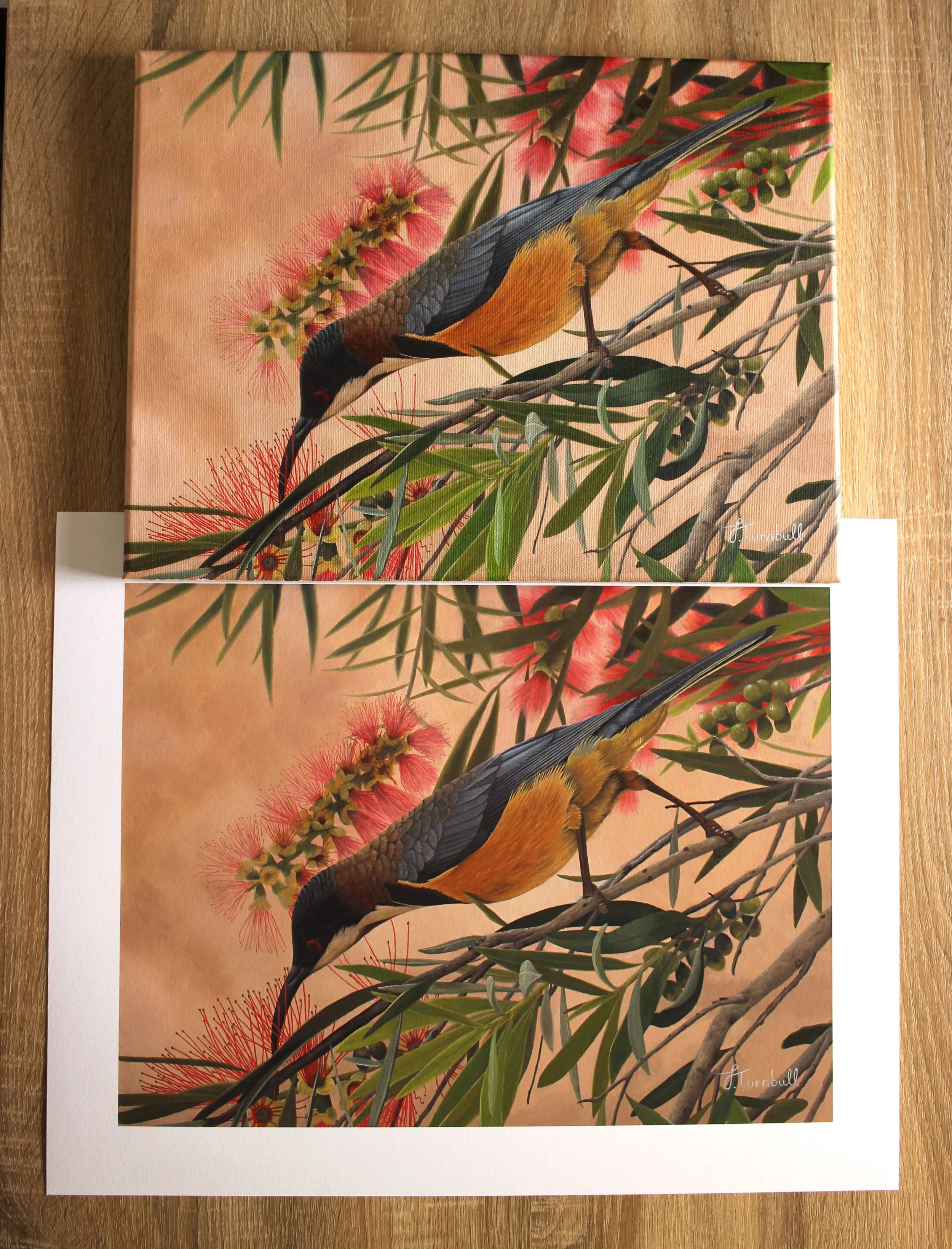
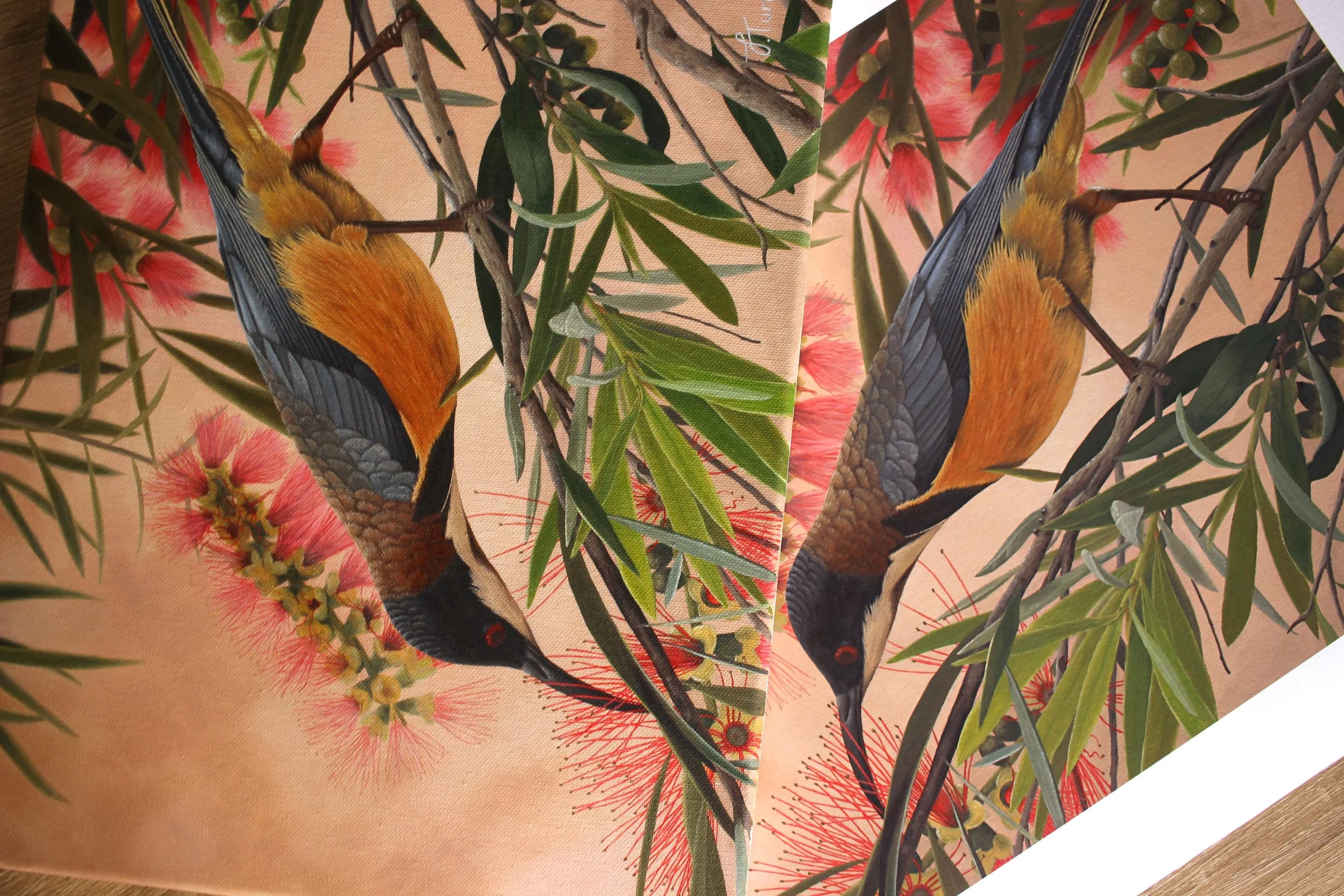
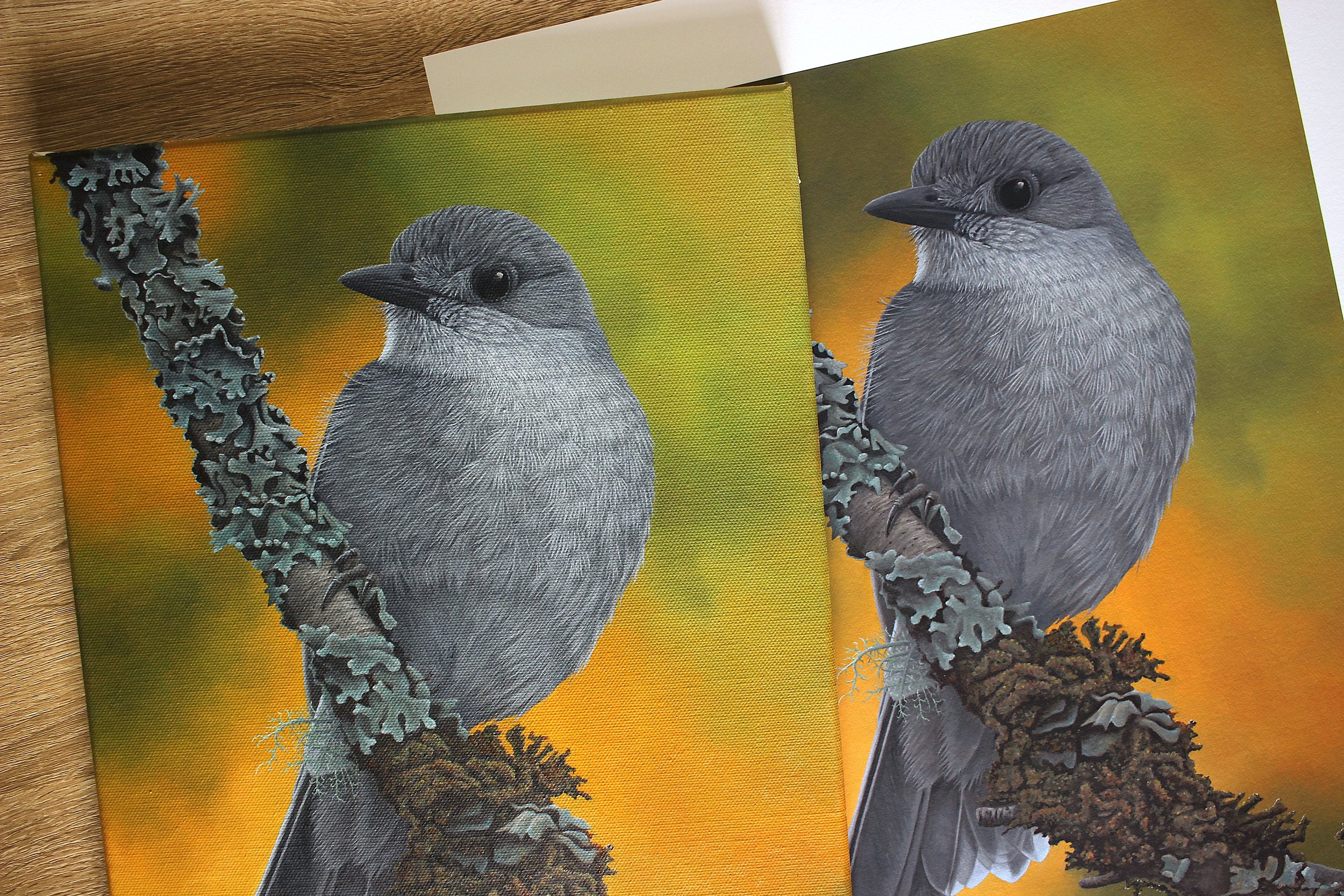
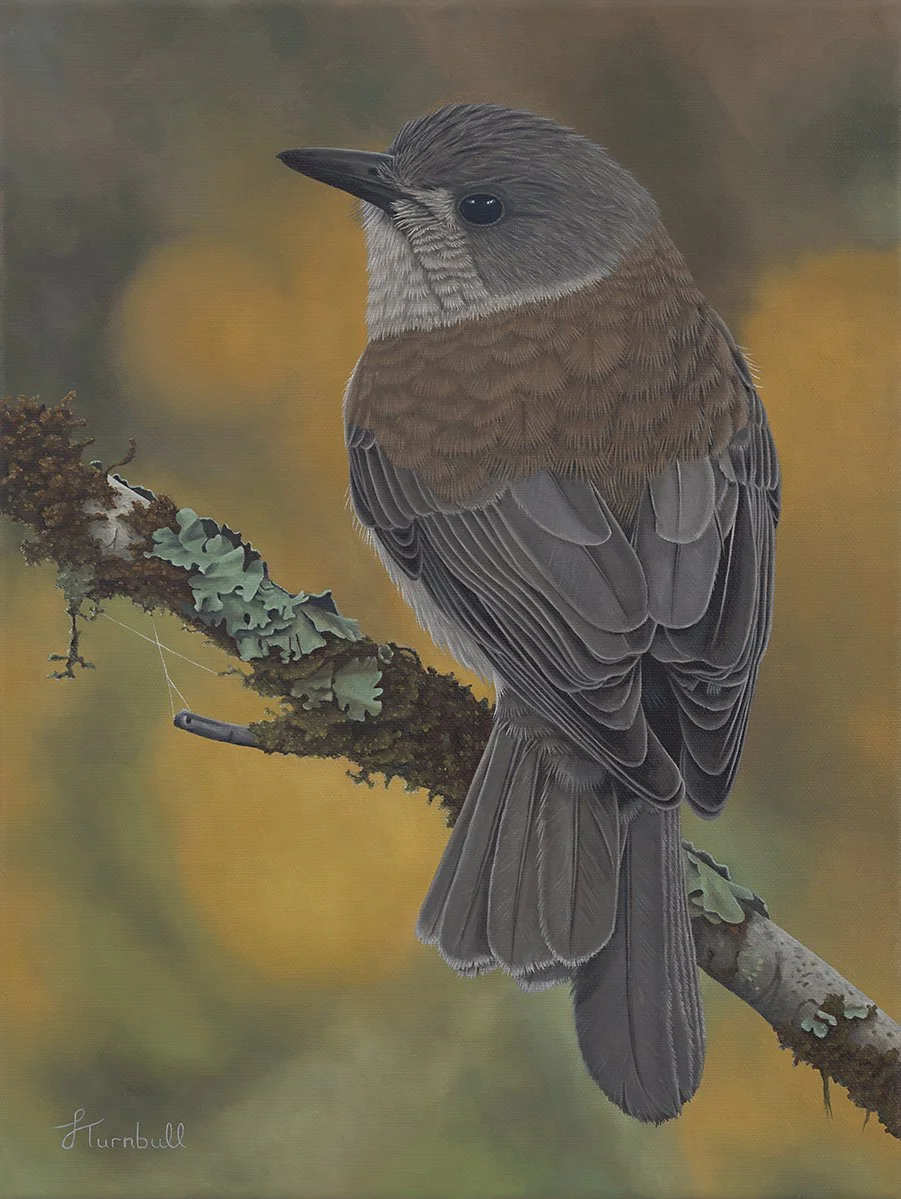
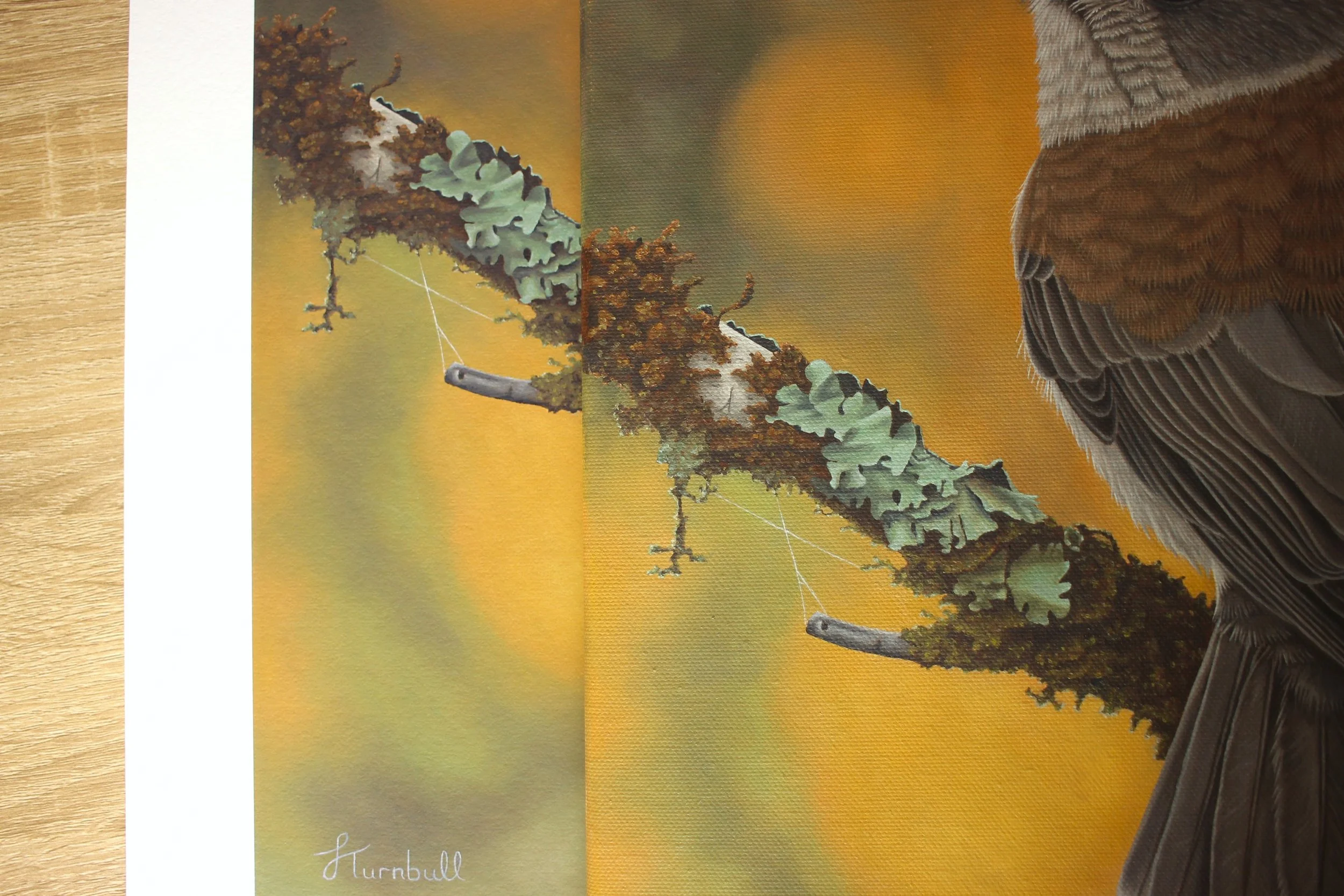
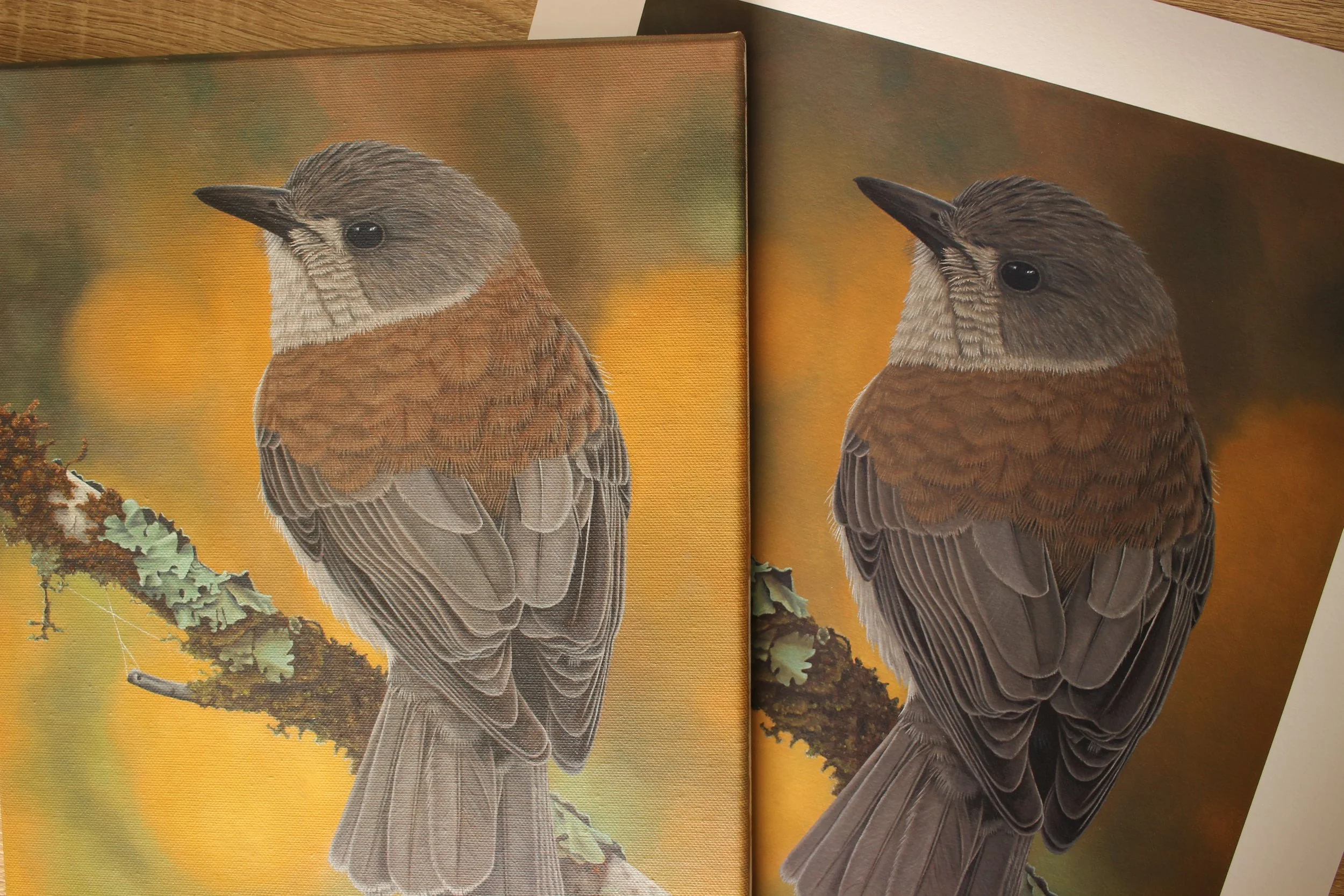
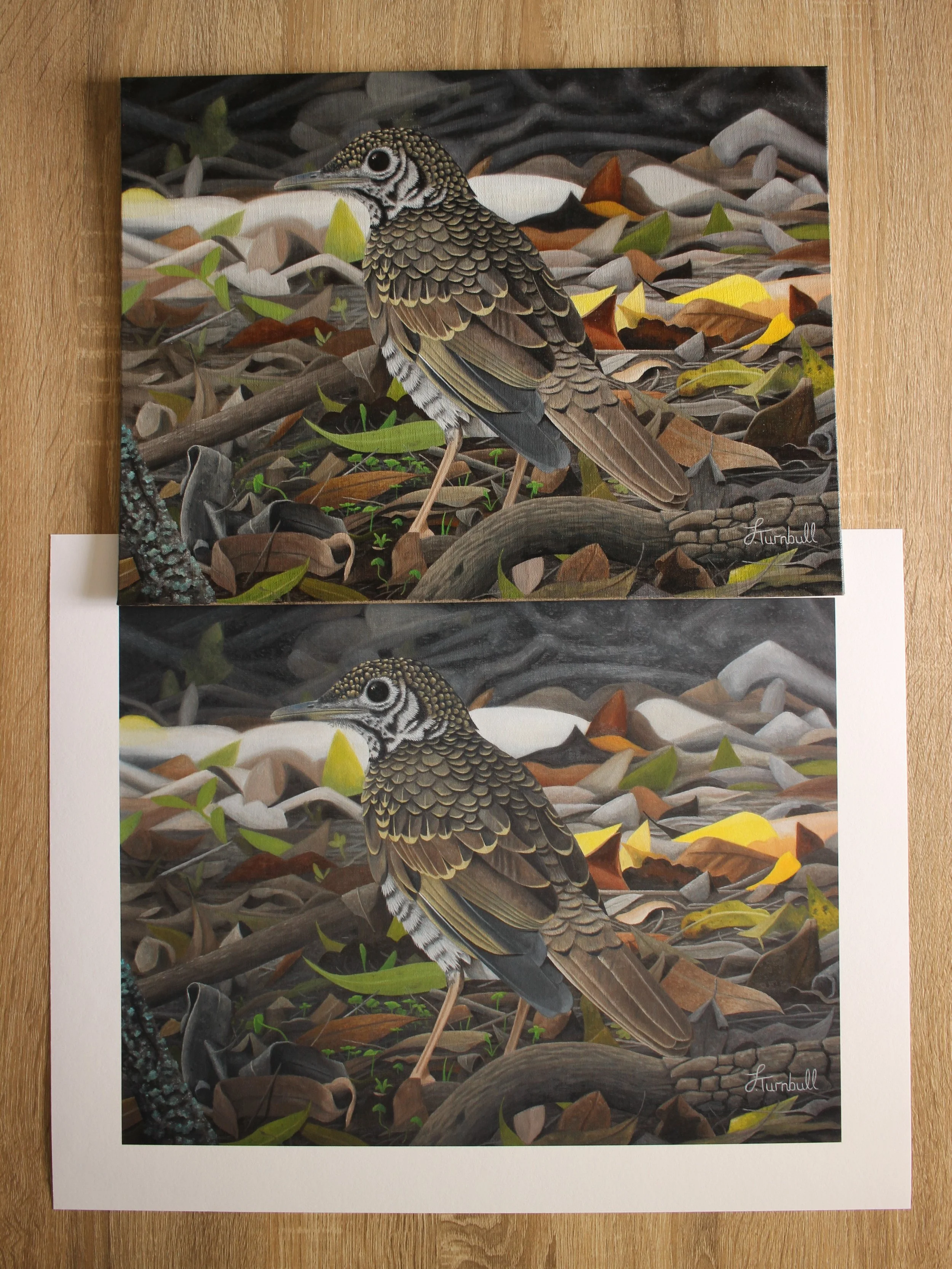
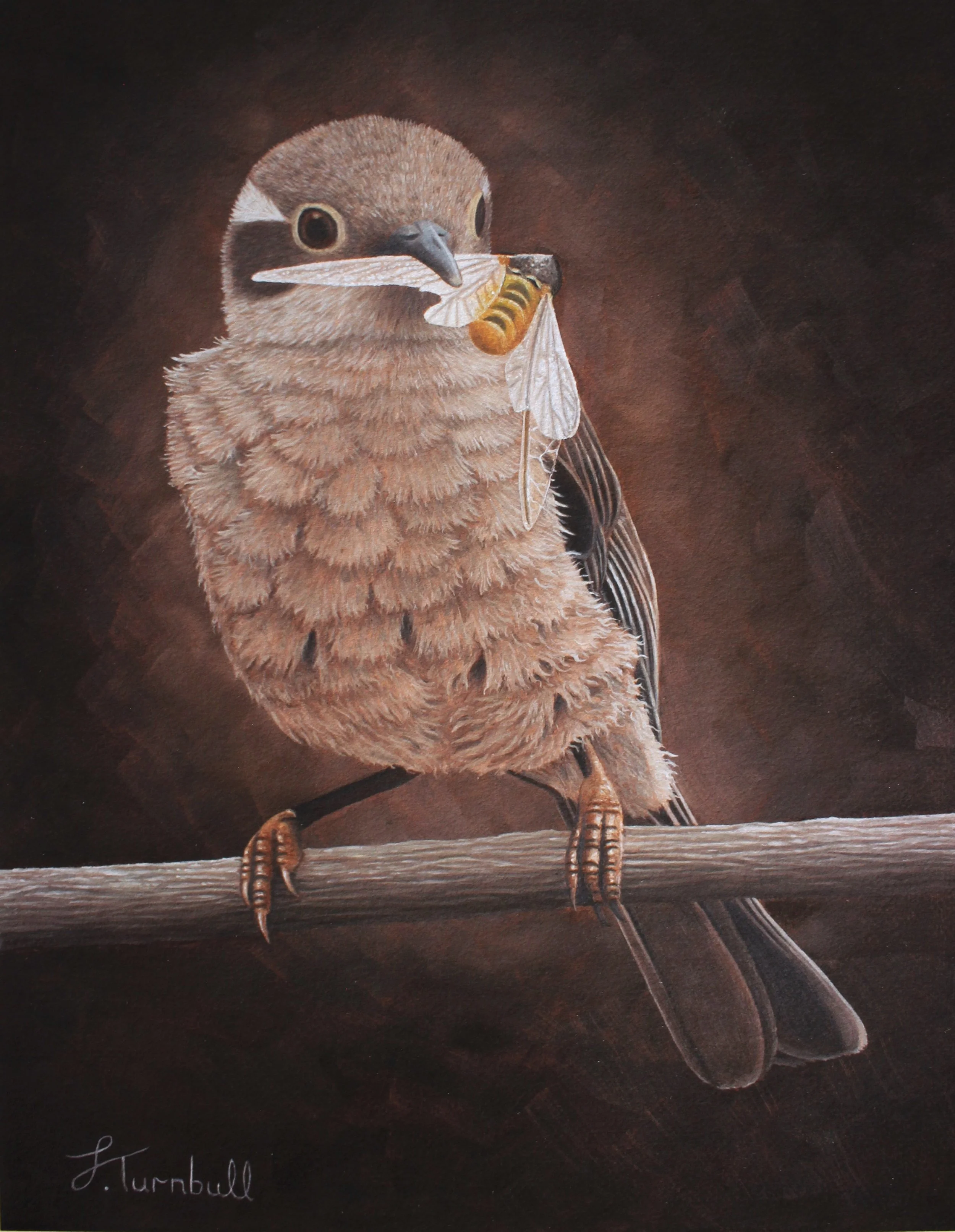
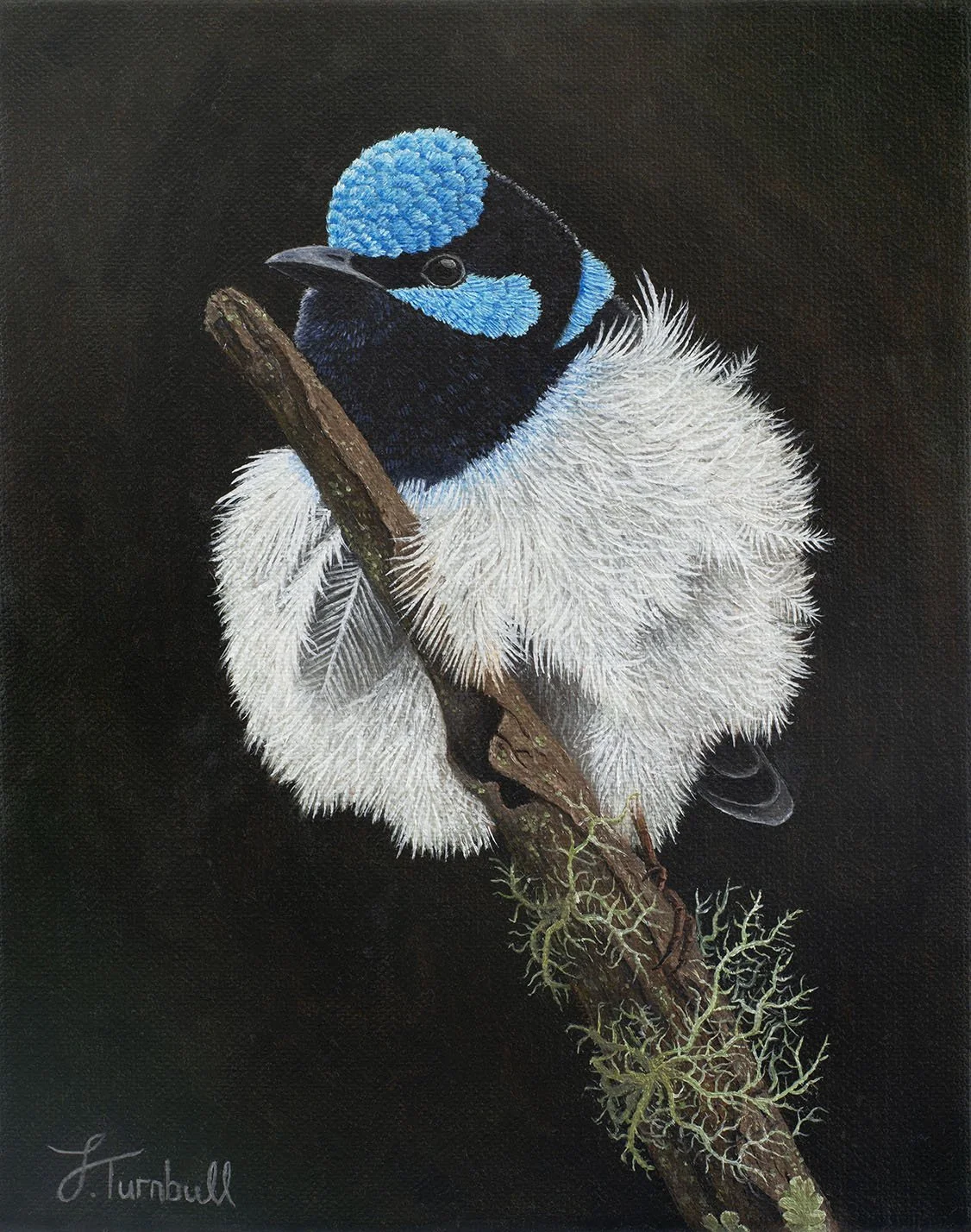
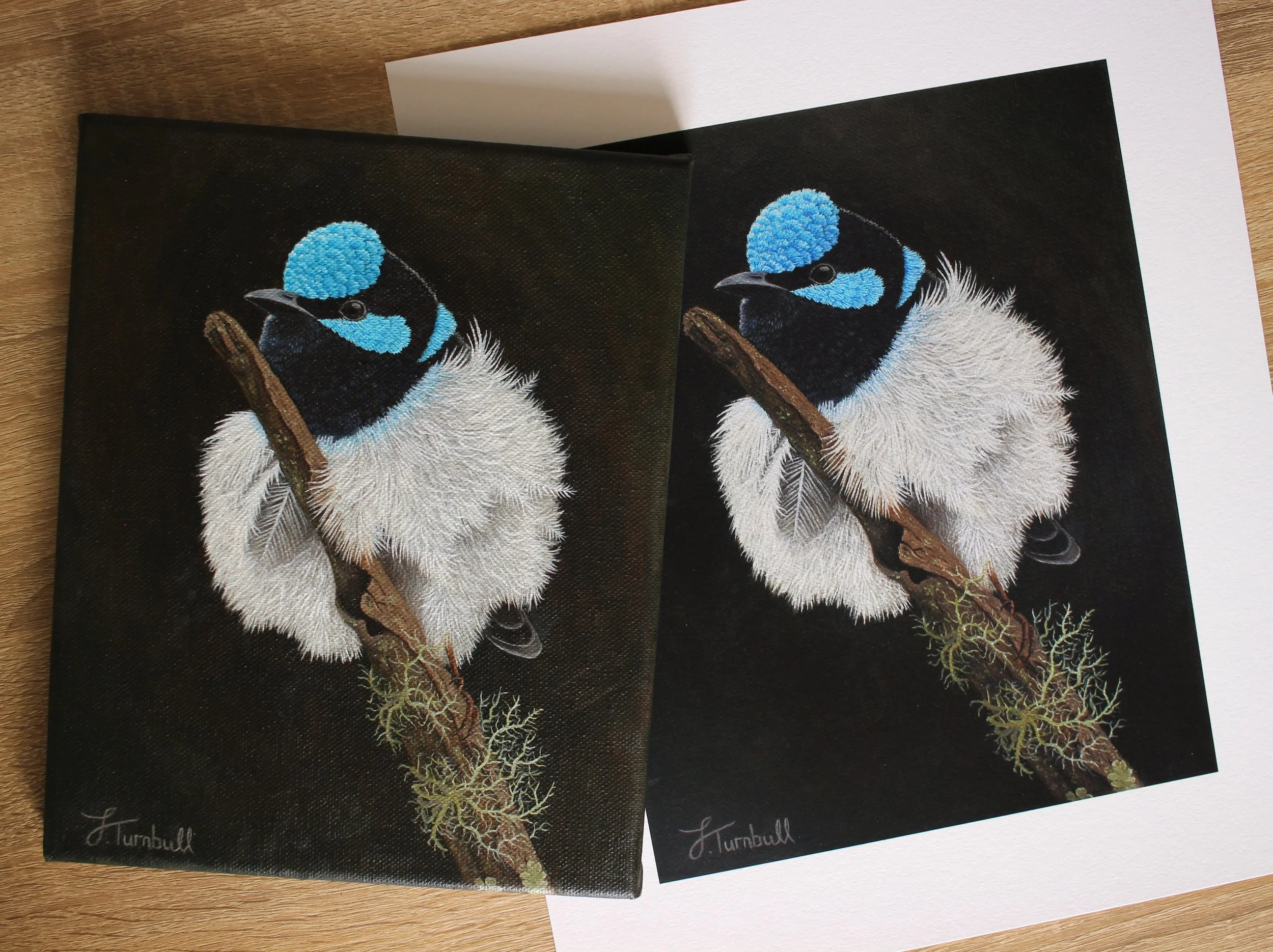
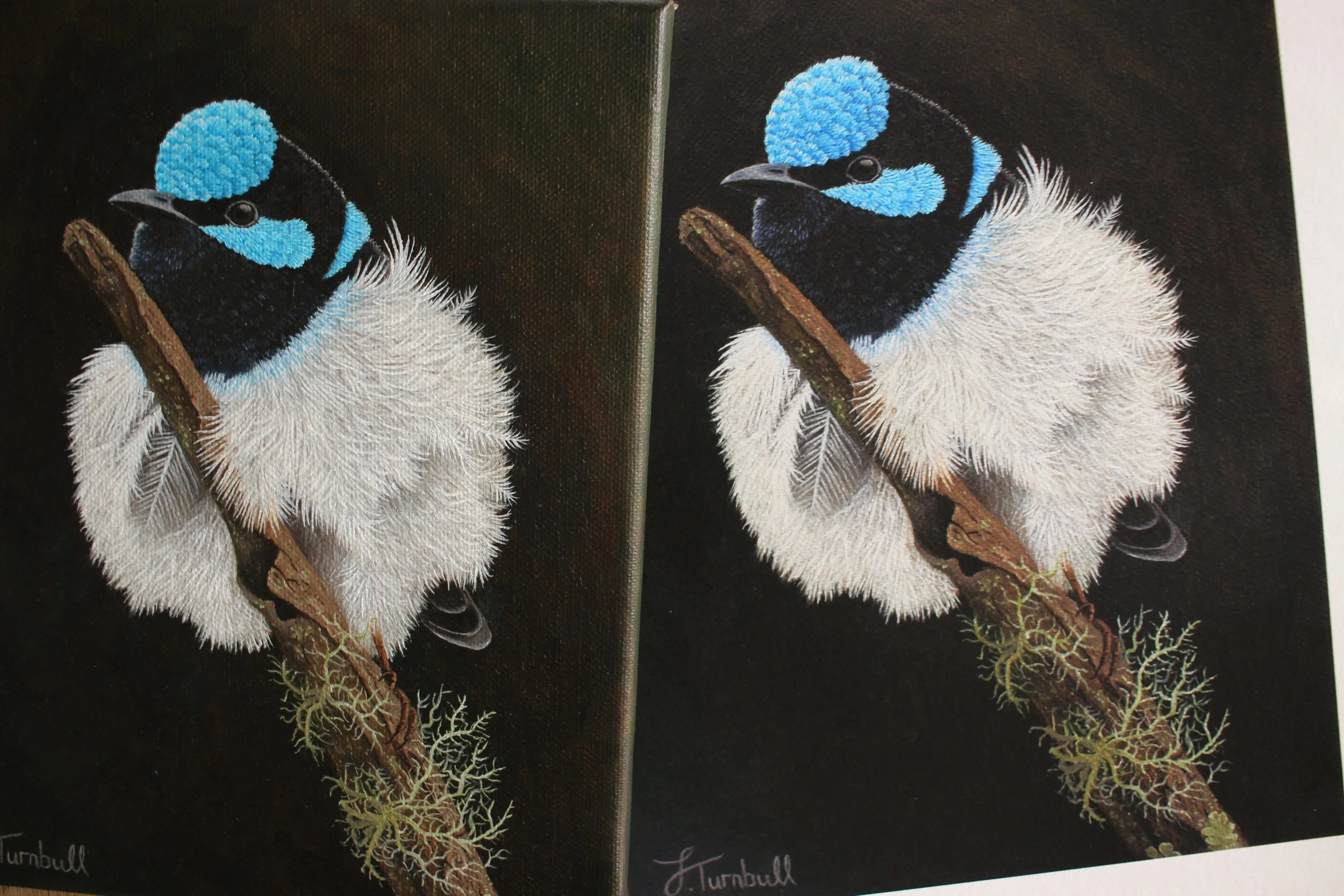
My artworks have been professionally photographed by experts in art reproduction photography to create high quality RGB digital files which were faithfully colour matched in post editing to be identical to the original artwork. The printing services are sourced from a very established company that specialises in Giclée digital fine art printing which creates archival art reproductions that meet the requirements of museums and galleries.
-
Archival refers to materials and processes that are designed to preserve artwork and ensure its longevity.
For Giclee Prints, these archival materials and practices include:
Archival Paper: Acid-free and lignin-free, which helps prevent yellowing and deterioration. This paper is designed to resist degradation from sunlight, humidity, and other environmental factors. It is often made from cotton rag, which is more durable and better at absorbing and holding ink compared to traditional wood pulp paper. Examples include French cold-pressed cotton rag and German Hahnemühle papers. Archival paper is crucial for maintaining the integrity of prints and can last for over a hundred years with proper care.
Archival Ink: Archival inks, particularly pigment-based inks, are formulated to resist fading and deterioration. Unlike dye-based inks, which dissolve completely in the liquid, pigment inks contain microscopic pigments that remain suspended in the liquid, partially dissolved. This makes them less prone to fading and better suited for long-term preservation.
Storage and Display Practices: To ensure the longevity of archival prints, it is essential to store and display them properly. This includes using acid-free and light-tight boxes for storage, framing prints with UV-protective glass, and avoiding direct sunlight and high humidity. Proper handling and care can significantly extend the life of archival prints.
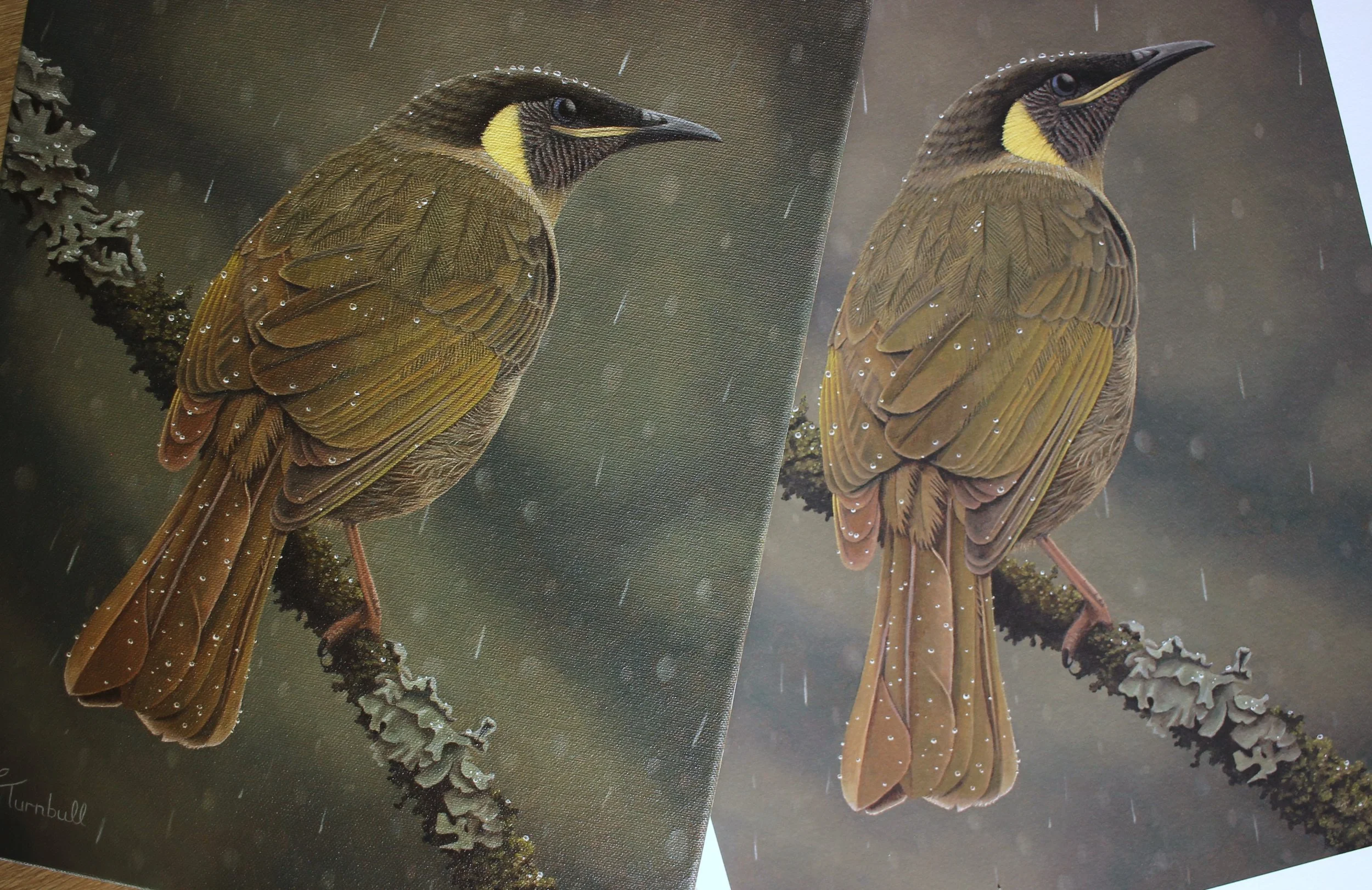
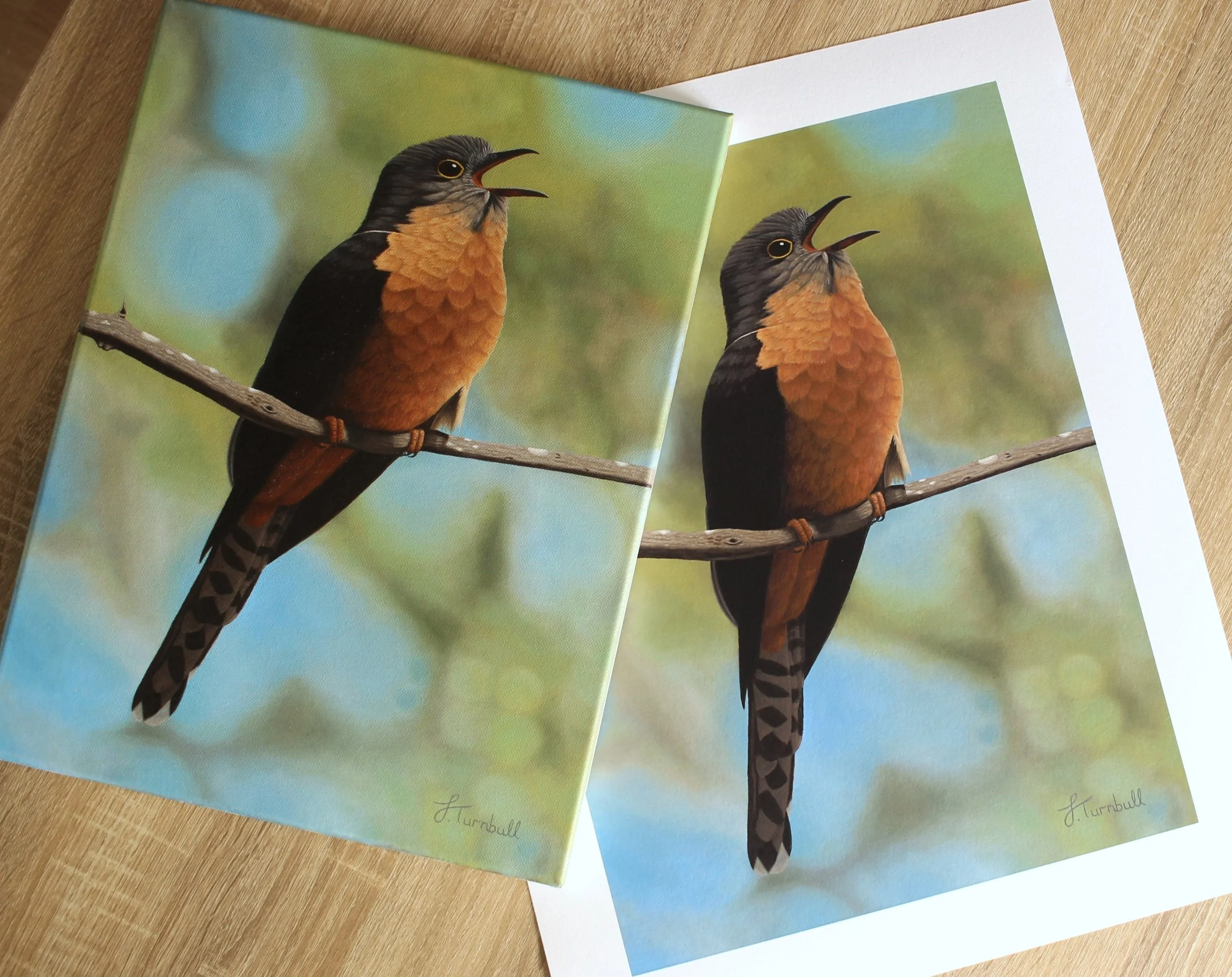
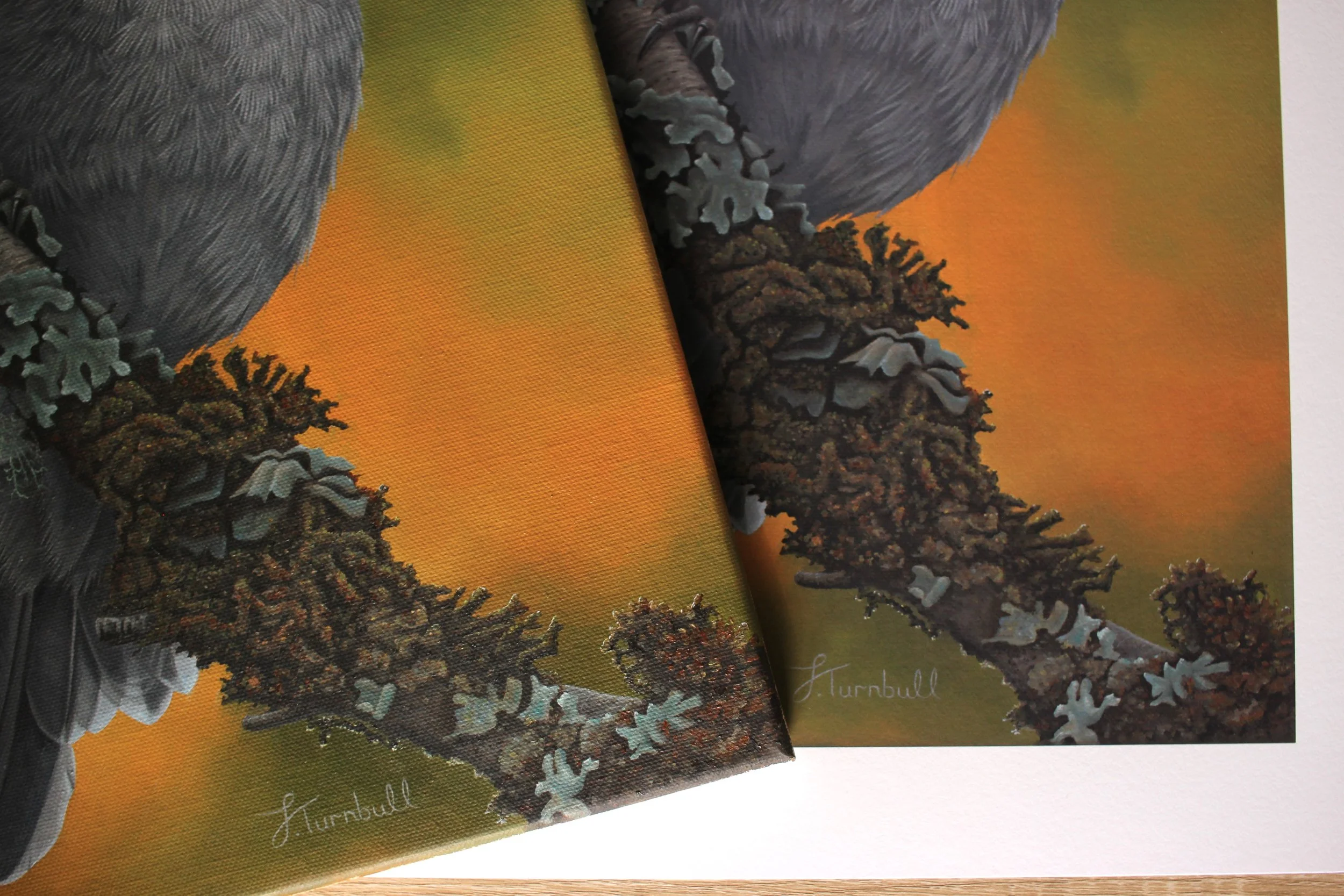
All my Giclee prints are produced using aqueous pigment inksets sprayed on archival grade Hahnemühle Photo Rag, 308gsm weight with a Matt surface. It is Acid and lignin free, 100% cotton rag paper, which meets the archival requirements for age resistance and is specially designed for fine art applications. Hahnemühle Photo Rag is one of the world’s most popular papers used for high-quality giclée print production.
For more information on Hahnemühle Photo Rag please click this link to hahnemuehle.com
-
Joshua Turnbull Art ships worldwide using Australia Post, Domestic and International Services.
Domestic Shipping (Australia)
Shipping within Australia is at no additional cost and is included in your purchase price.
International Shipping
International shipping from Australia varies depending on location and print size/value, for international shipping please contact Joshua Turnbull Art for an international shipping quote BEFORE ordering. Unfortunately, Squarespace ecommerce platform does not have an automated AusPost postage cost calculator, so international shipping must be calculated manually. If you are ordering to an overseas address, please contact me and I will provide you with an invoice for the artwork and its international shipping before finalising your order. I apologise for the inconvenience.
-
Giclee prints are produced within 4-7 business days from the Giclee printer facility located in NSW, this is subject to order size and media stock.
Delivery times from ordering your print to delivery are generally
2 weeks for Domestic (Australia) orders: 4-7 days for the Gilcee printing + 1 week for AusPost delivery.
3 weeks for international orders: 4-7 days for the Gilcee printing + 2 weeks for AusPost delivery.
If you need it sooner there is an option for a Rush Fee for the Giclee printers at an additional cost, calculated by the print size. if required, please contact me for more information about the Rush Fee and I will happily help.
-
If you haven’t already, please have a read through the Archival Materials section for a bit more understanding about the importance of archival a Giclée print. Ok, so in deciding to frame your print you have to weigh up a few things regarding archival longevity. We know that the Giclée print you’re purchasing is made with archival materials, so what difference will framing and the quality of the frame materials make in the prints lifespan?
Professional Framing
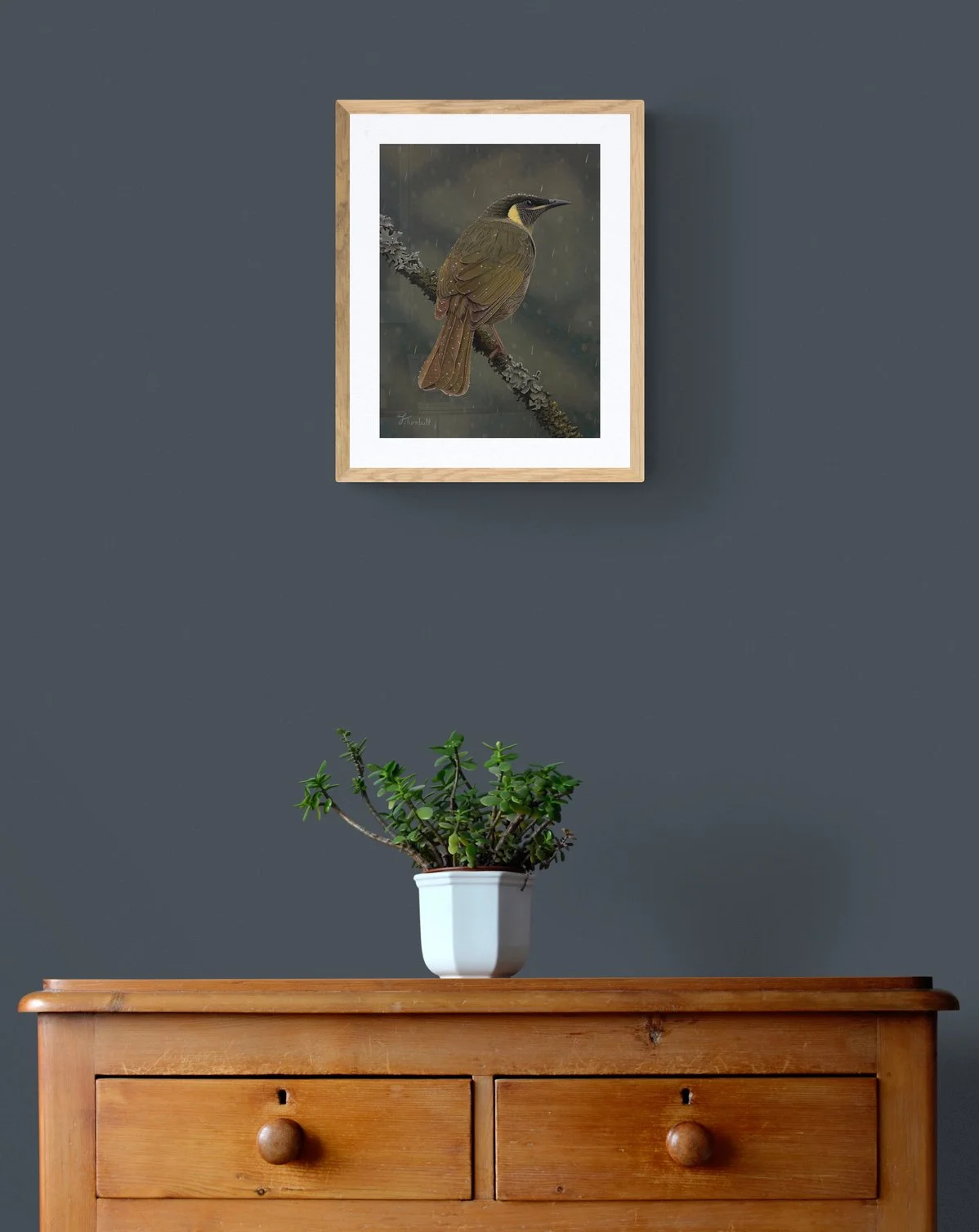
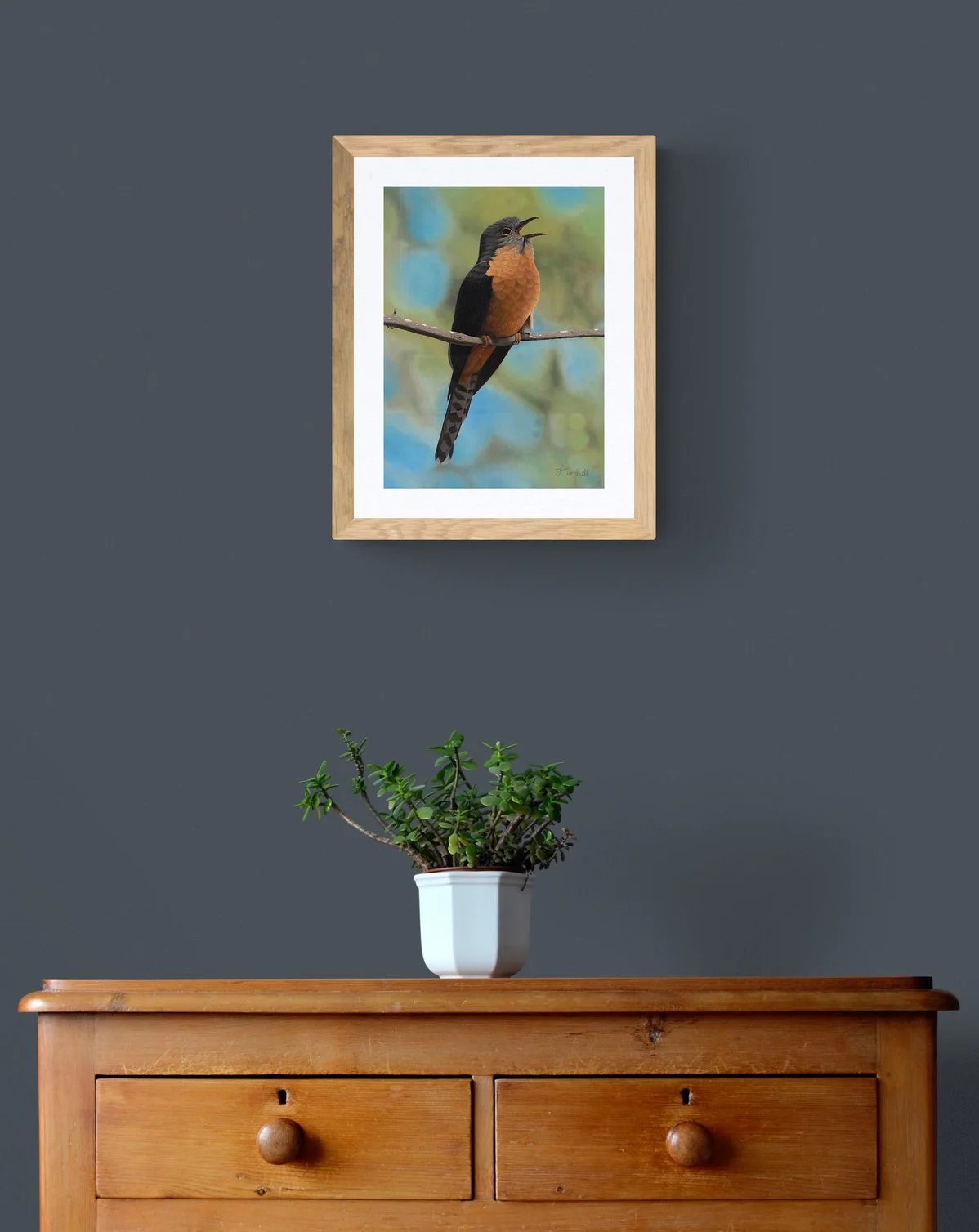
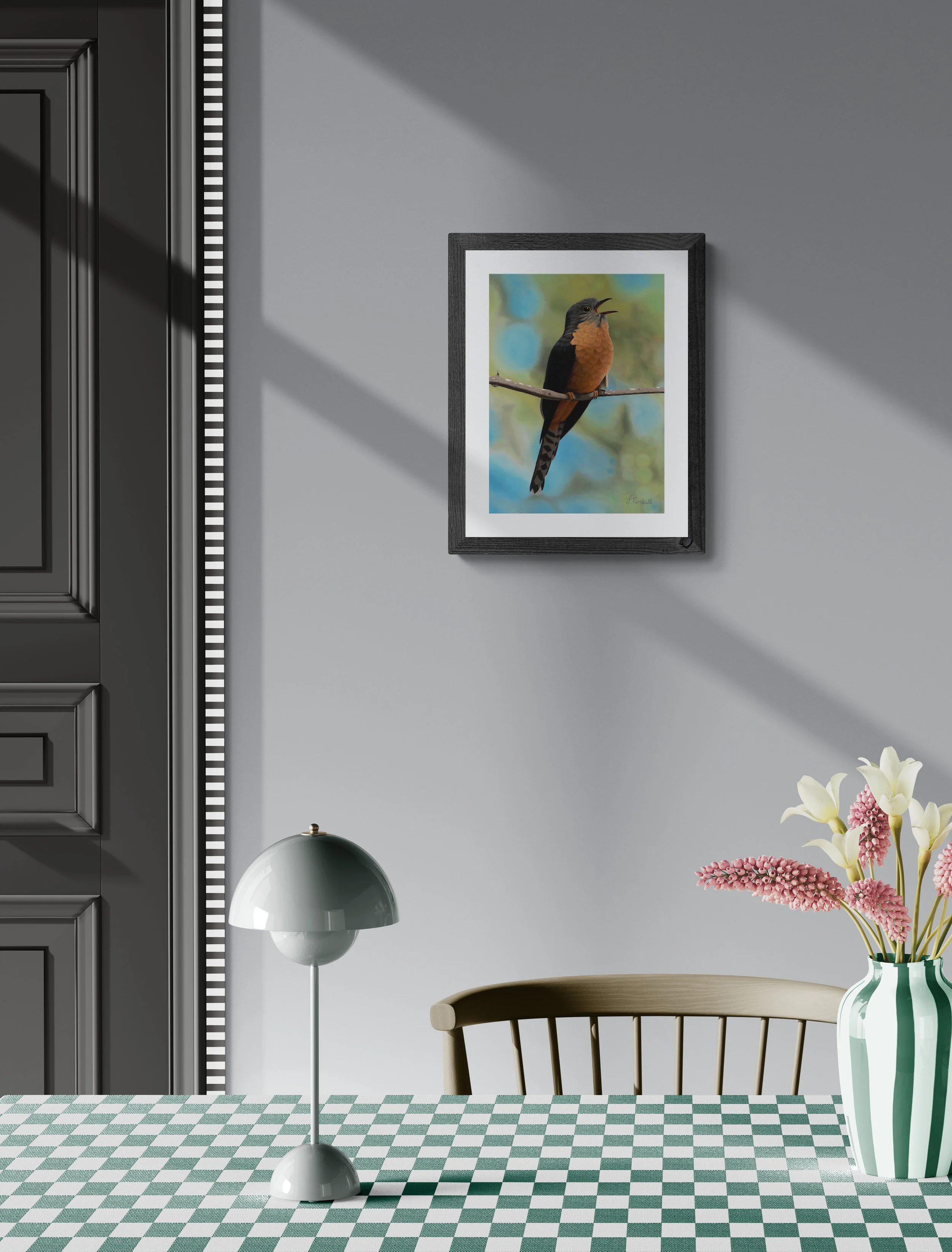
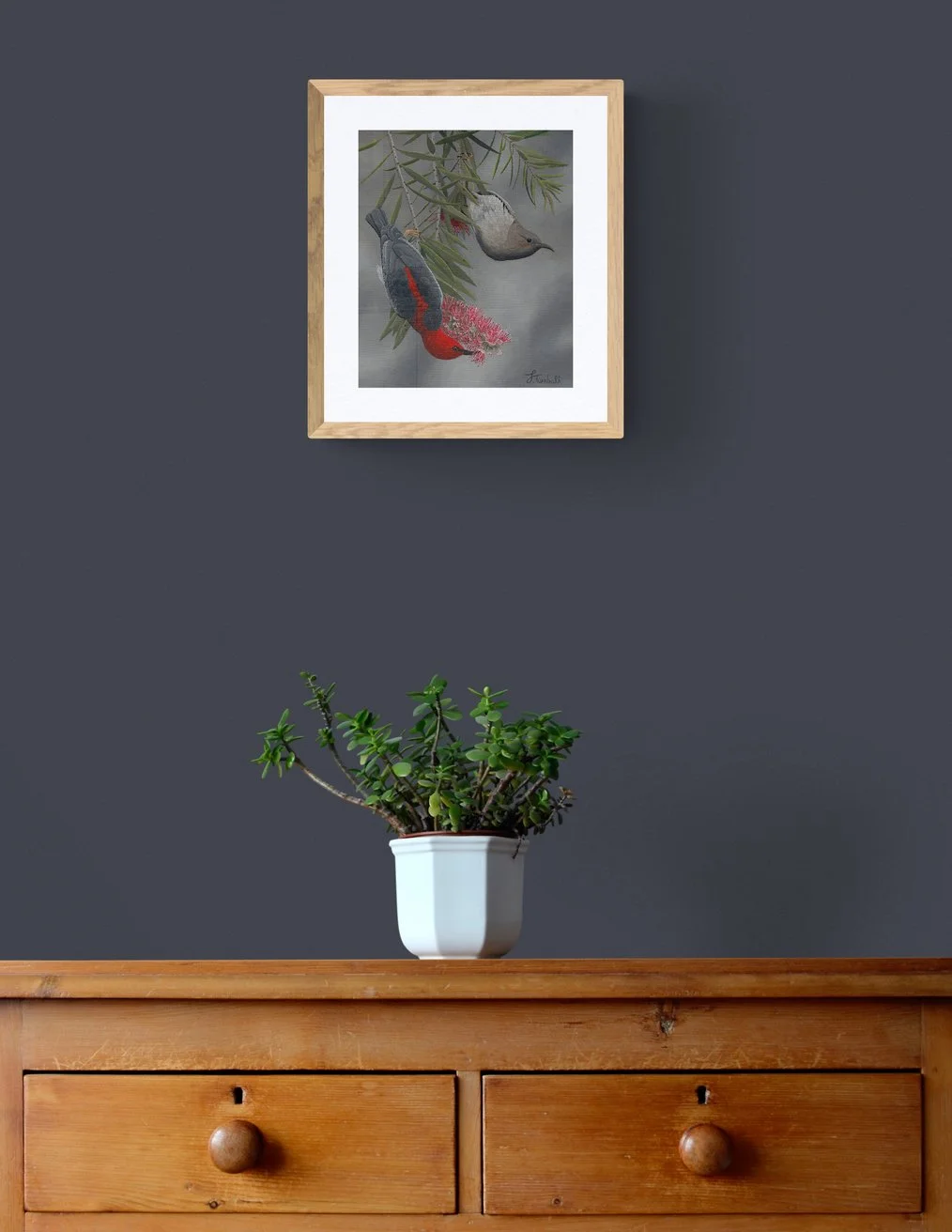
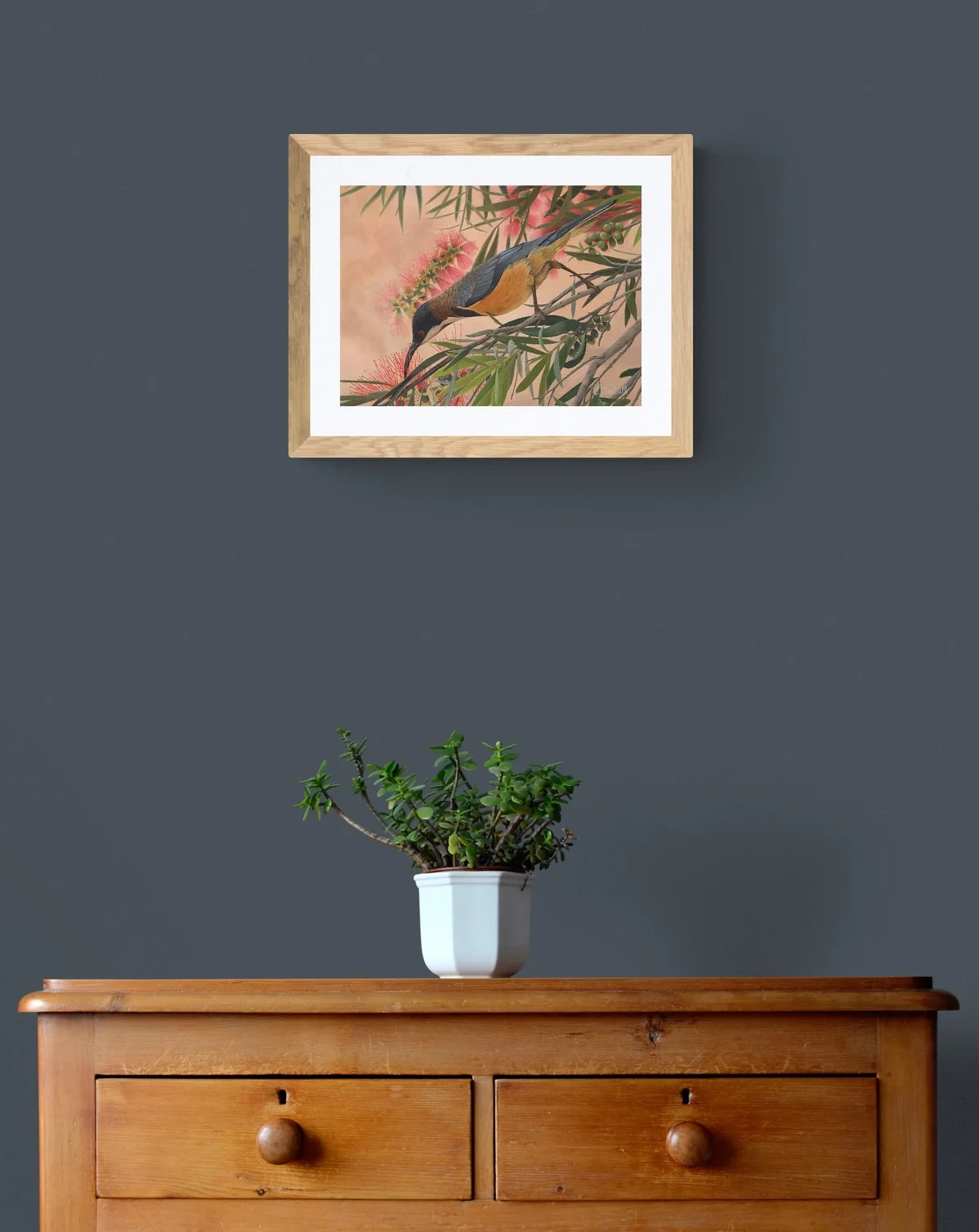
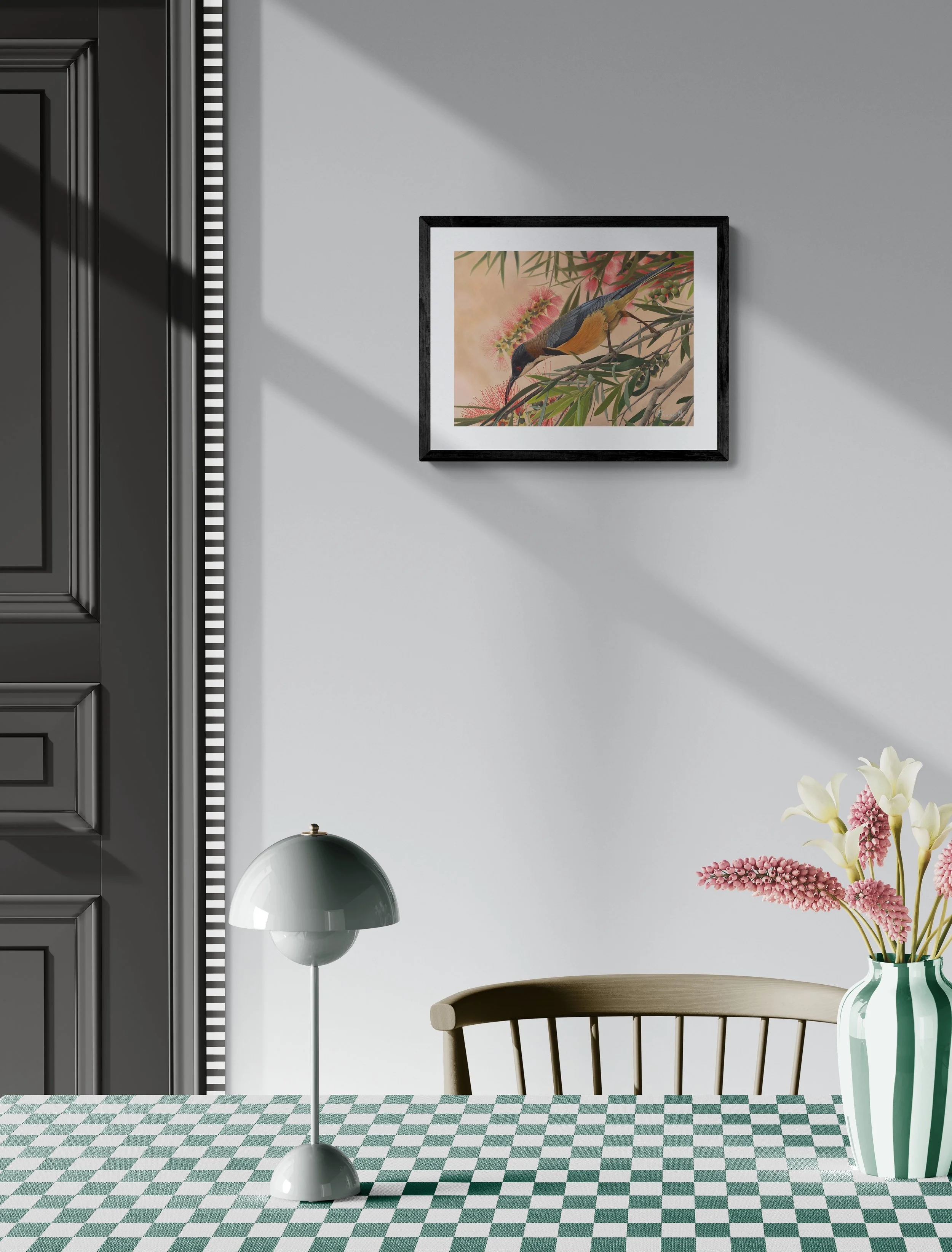
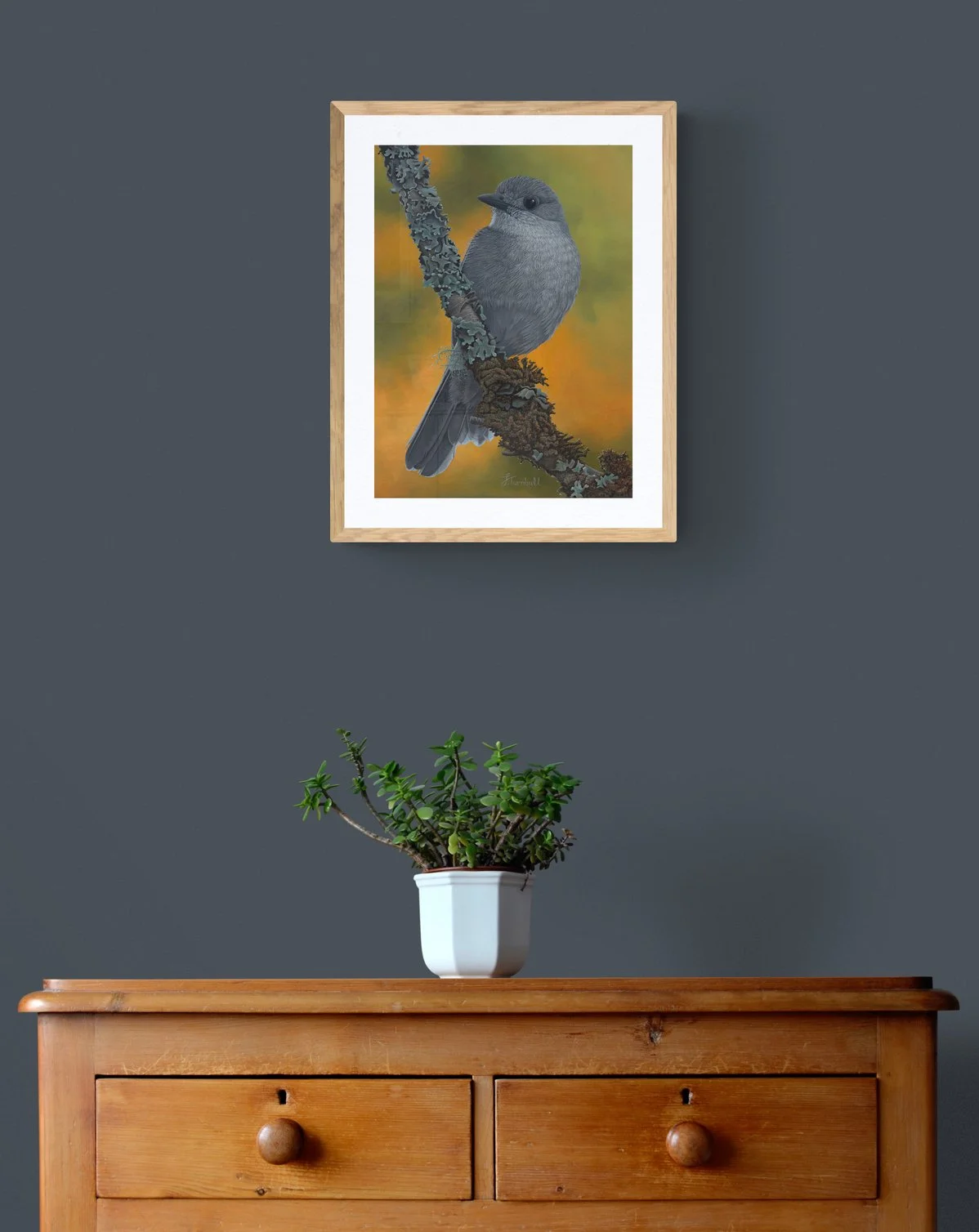
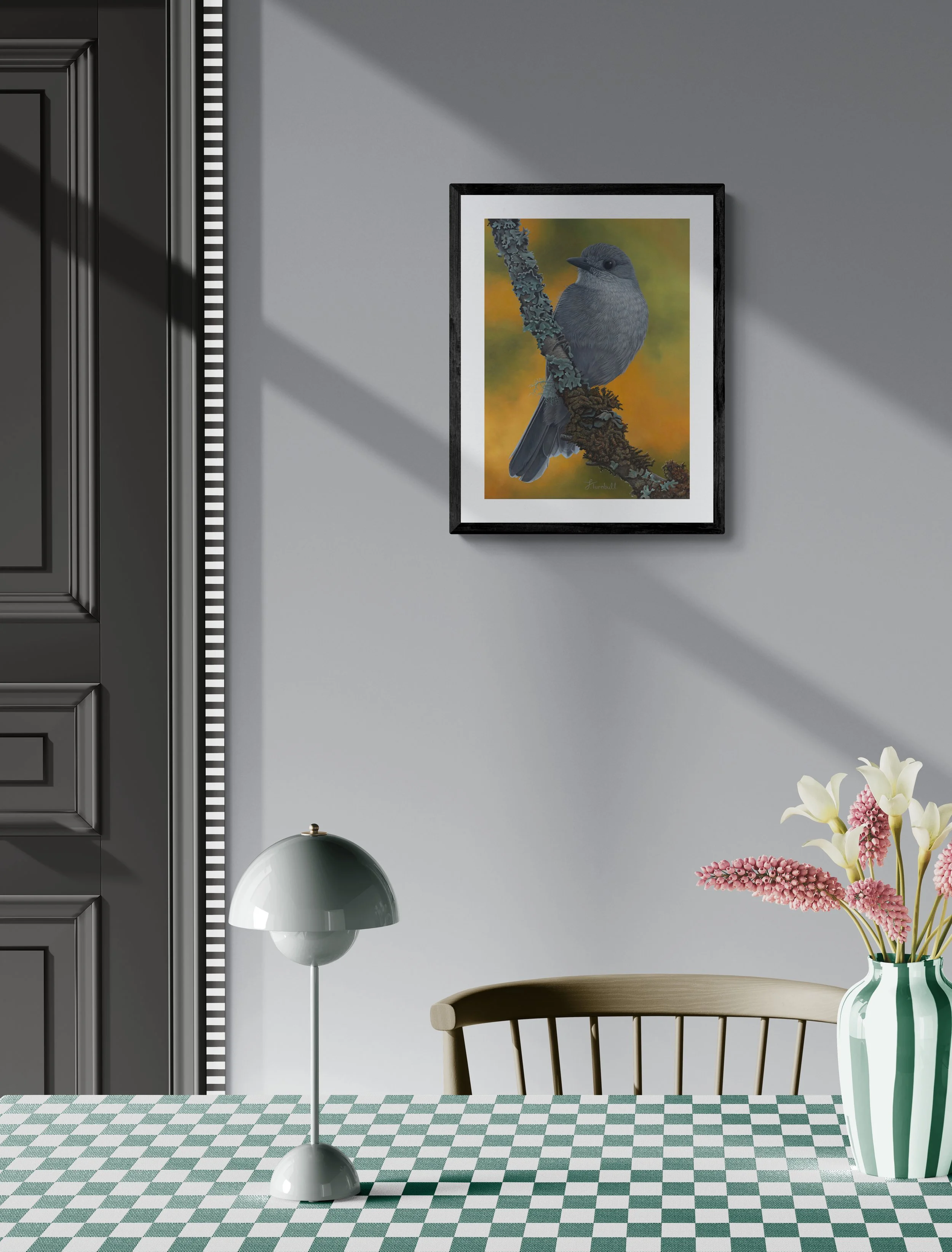
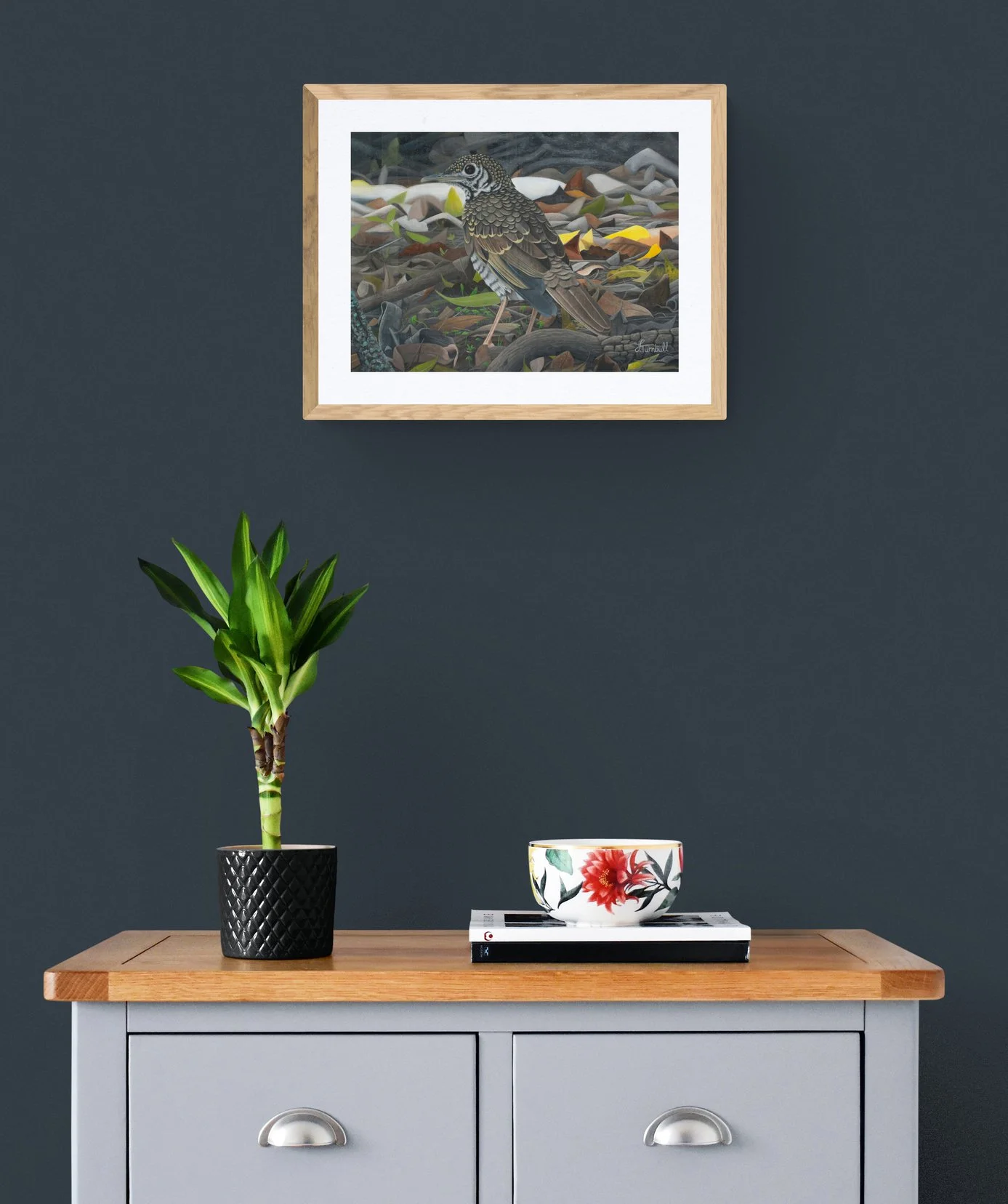
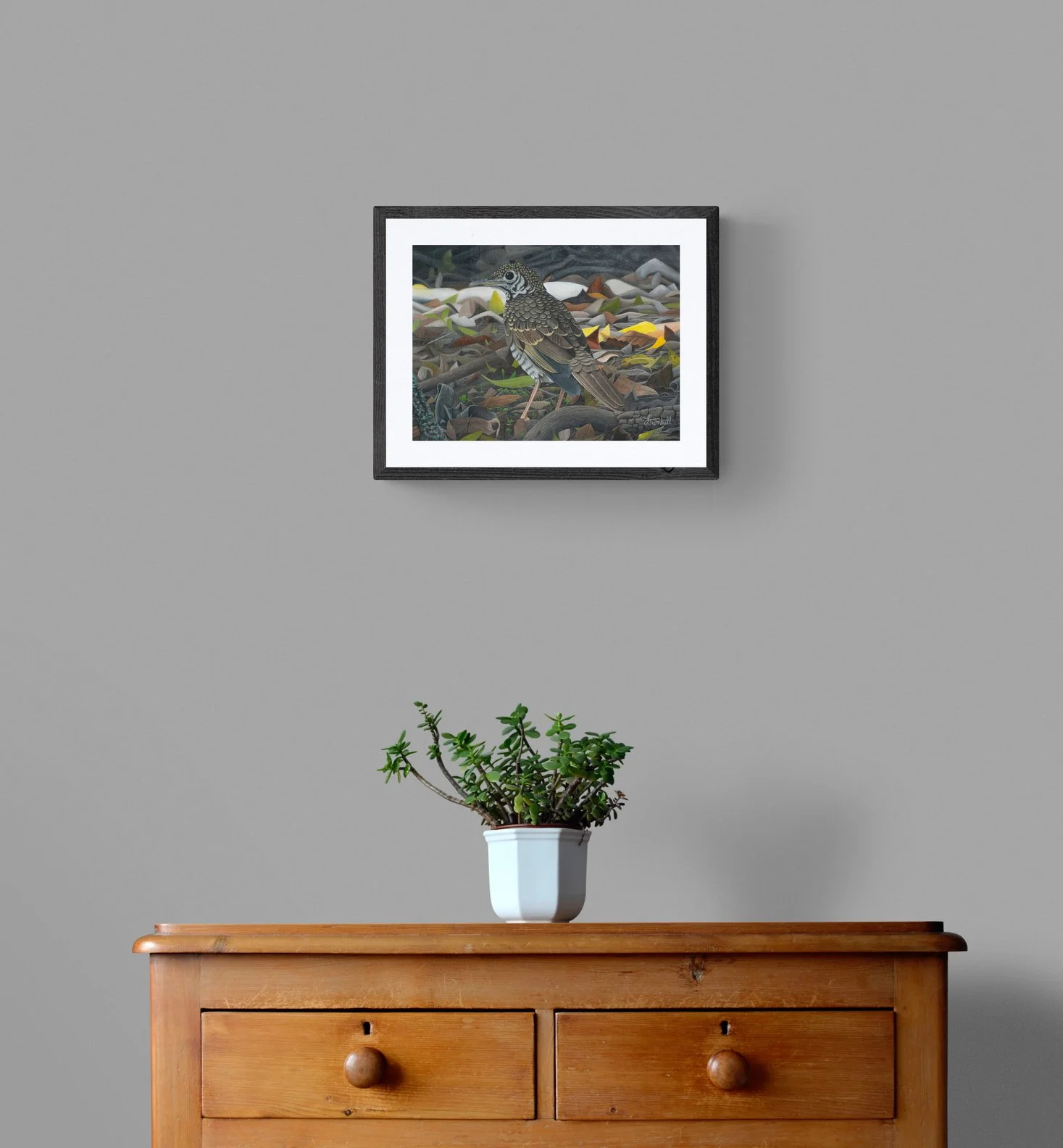
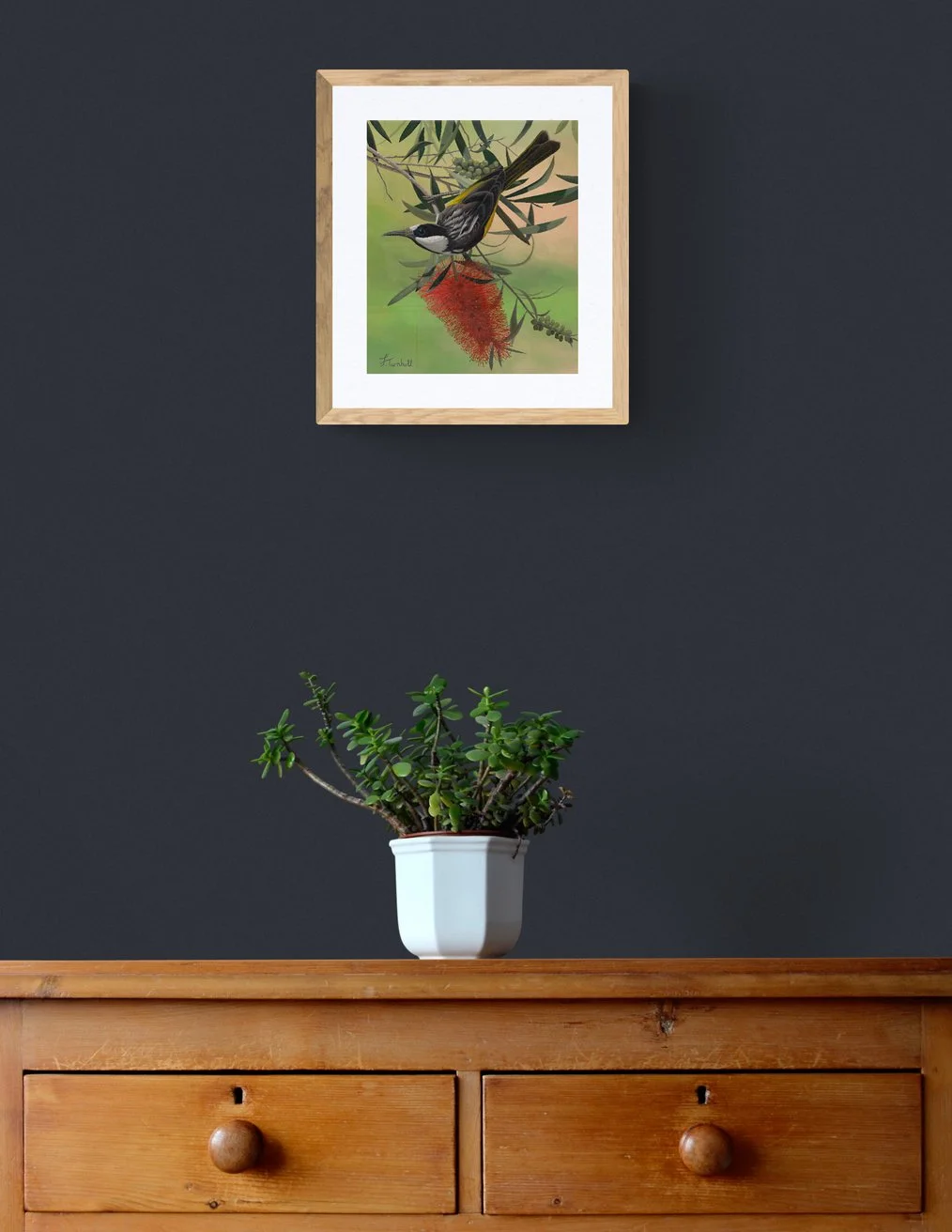
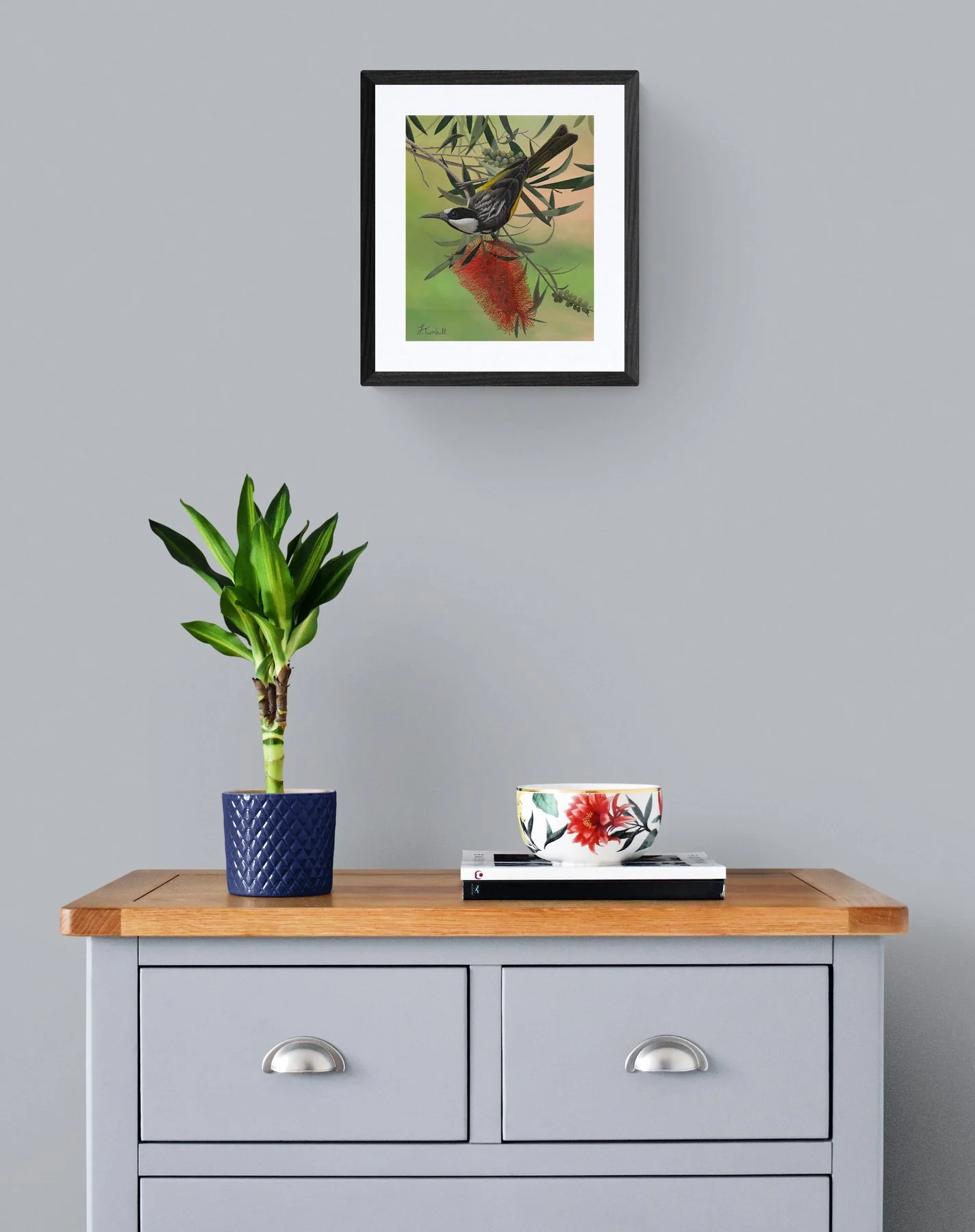
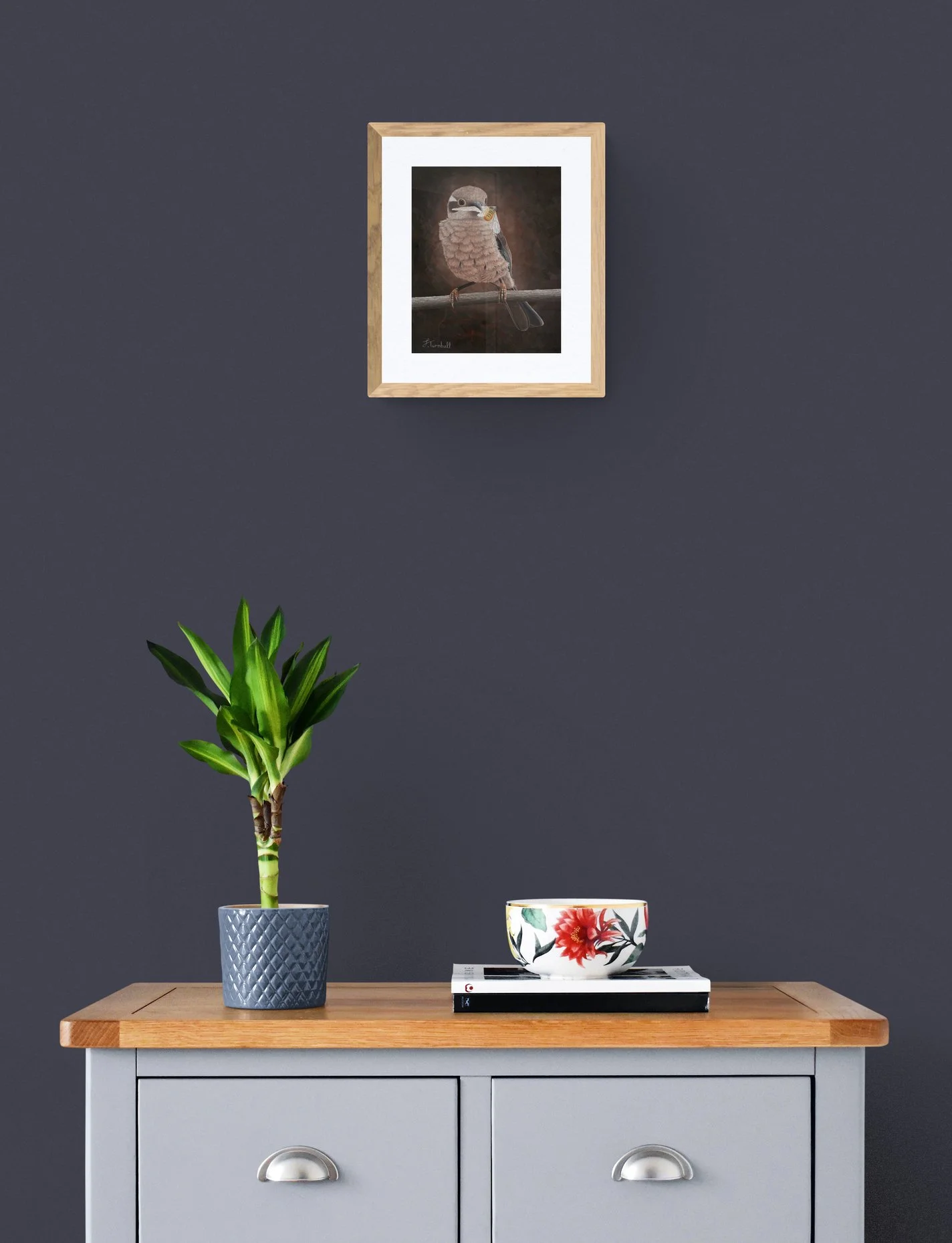
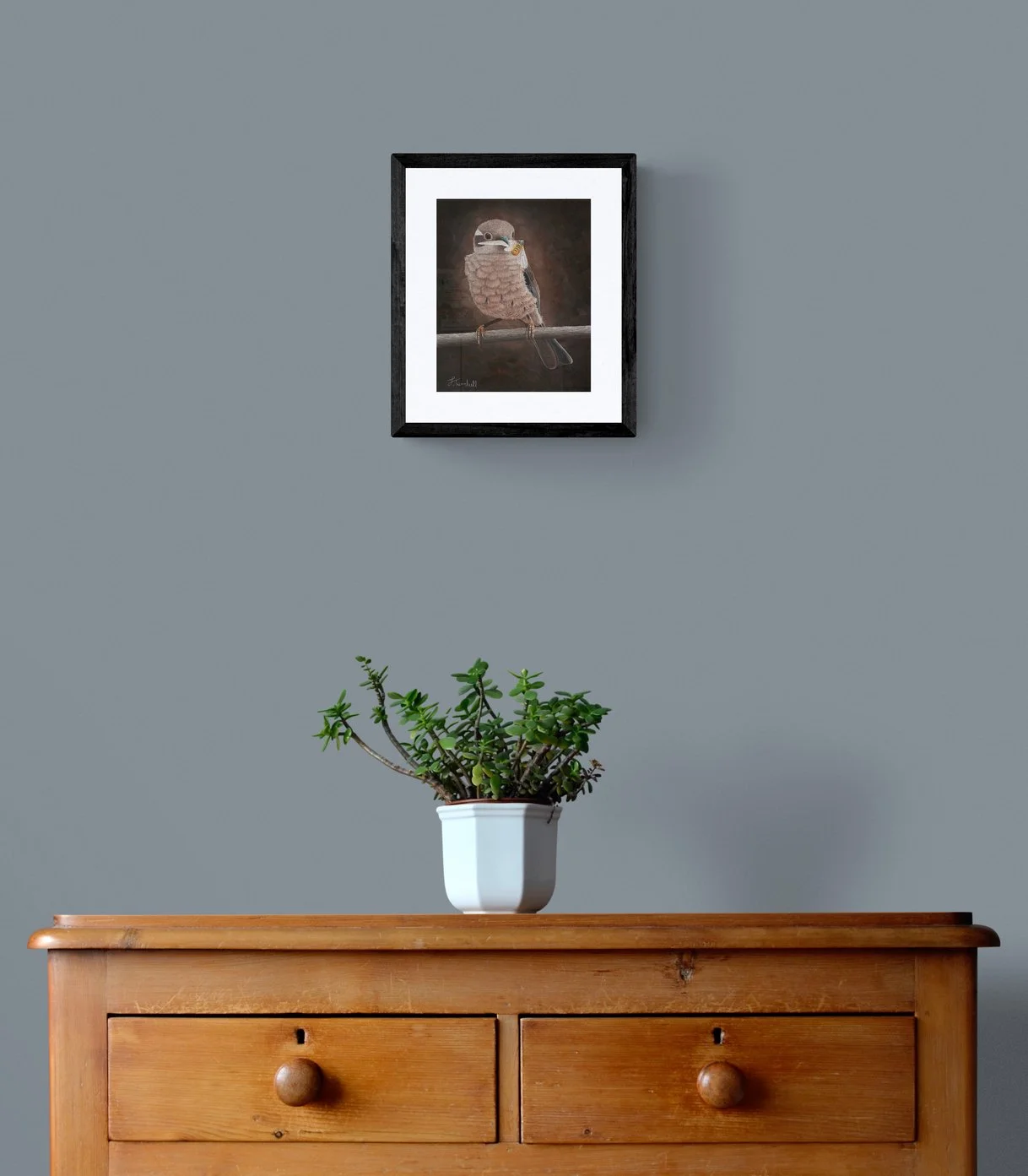
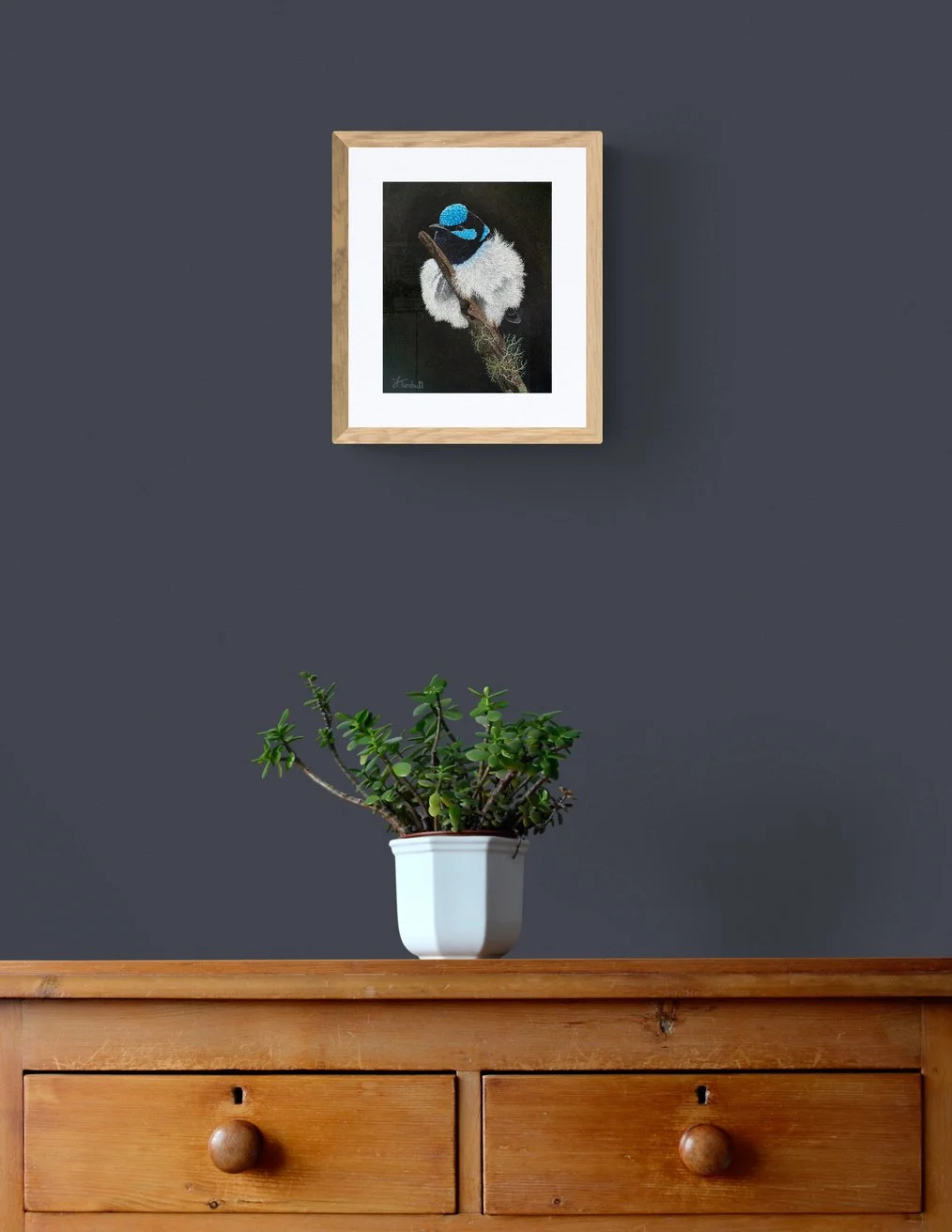
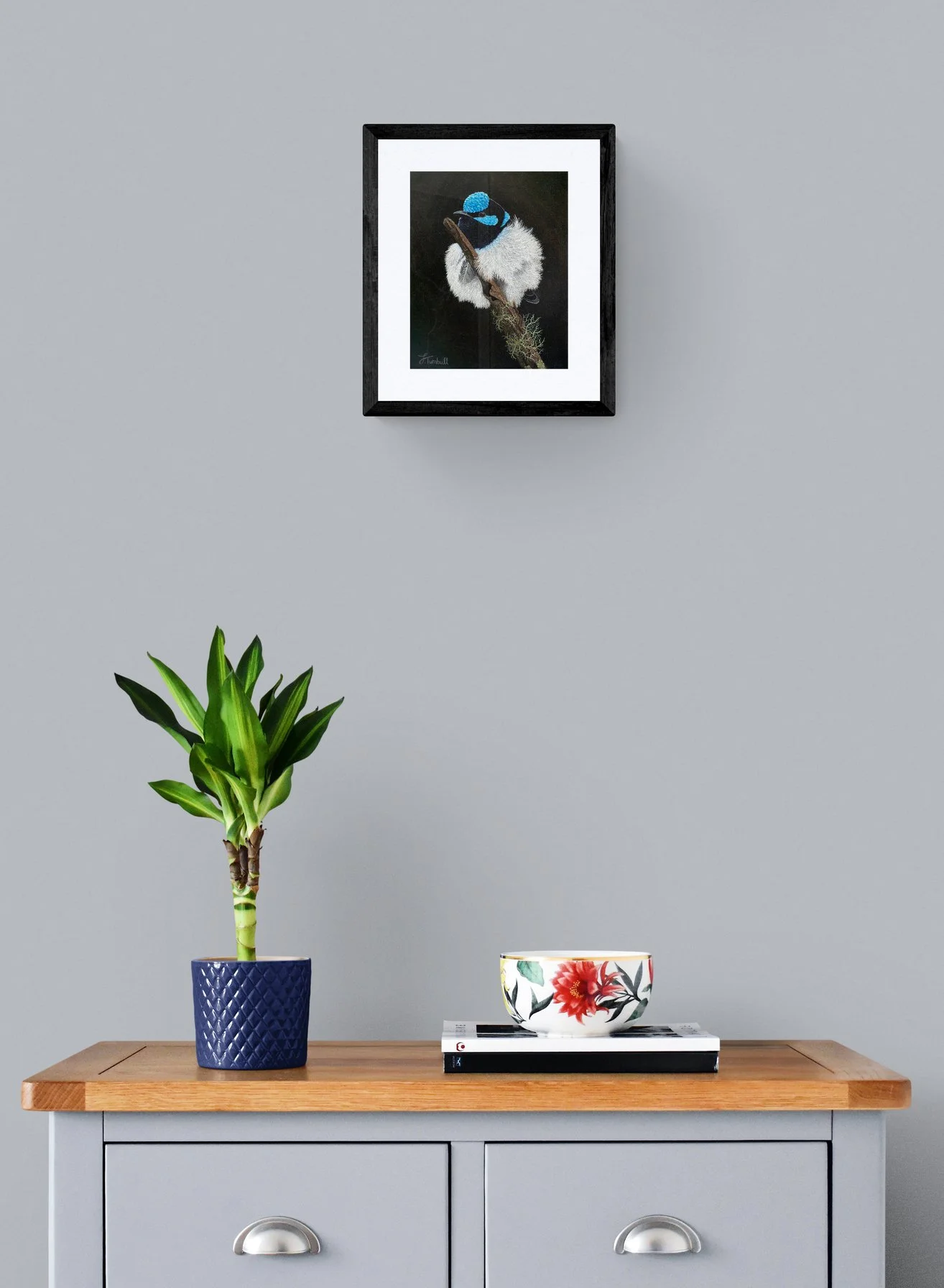
If you’re thinking about a professional framer, they will most likely suggest framing the print under glass and adding a Mount or Matting around the artwork part of the print. The Matting is the decorative plain border that sits on top of the print to protect it from direct contact with the glass. This is important for preserving the print, so like the Giclée archival paper the matting should be made of archival acid-free and lignin-free materials as well. For the glass a professional framer may also suggest UV glass for sun damage protection and perhaps a special non-reflective glass to prevent glare. By getting your print professionally framed you’re adding the final level of archival protection.
DIY Framing
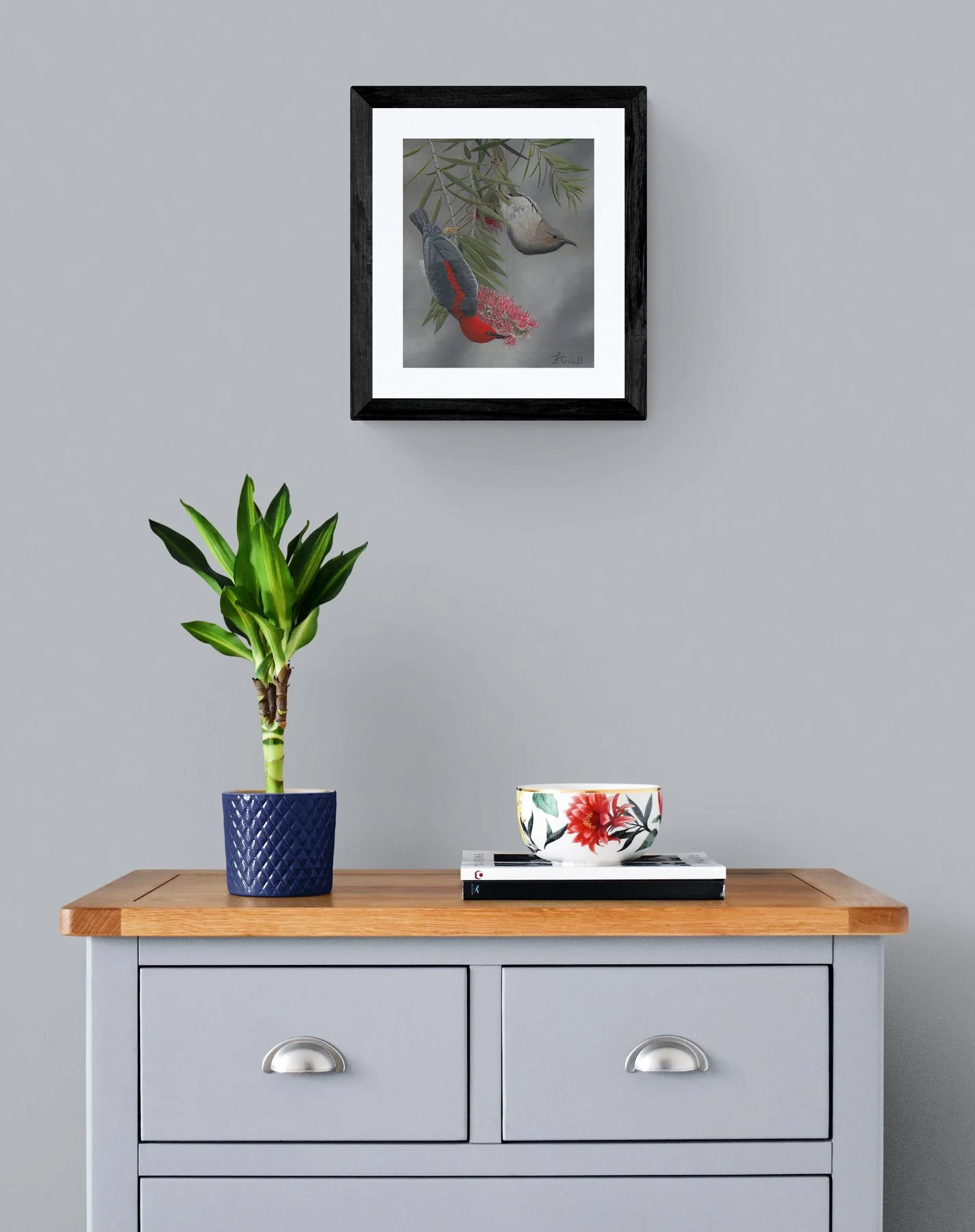
If you’re happy to purchase your own frame and do it yourself, most frames come with a glass cover and a matting that acts as a buffer from the glass, however be aware that they most likely are not up to archival standards. That being said, a giclée print is designed to be light fast and last for decades due to its own superior archival ink and printing materials. If you do frame it yourself, try and find a matt board which is acid-free and archival quality. Thicker matt boards will provide a better buffer from the glass, so it’s best to choose one that is at least 2mm thick. After you have assembled it all, sealing the back of the frame with Frame Sealing Tape or Acid-Free Paper Tape to prevent moisture is recommended.
To sum everything up, it is recommended to have your Giclée print professionally framed for archival protection. According to Hahnemuehle, the company that produces my Giclée print paper, your print could last over 100 years if its properly maintained by these standards. However, if you frame the print yourself and it’s protected under glass with matting, what would the difference be in its longevity? While it may not last a century, its enduring presence in your home will still provide joy for many, many years.
-
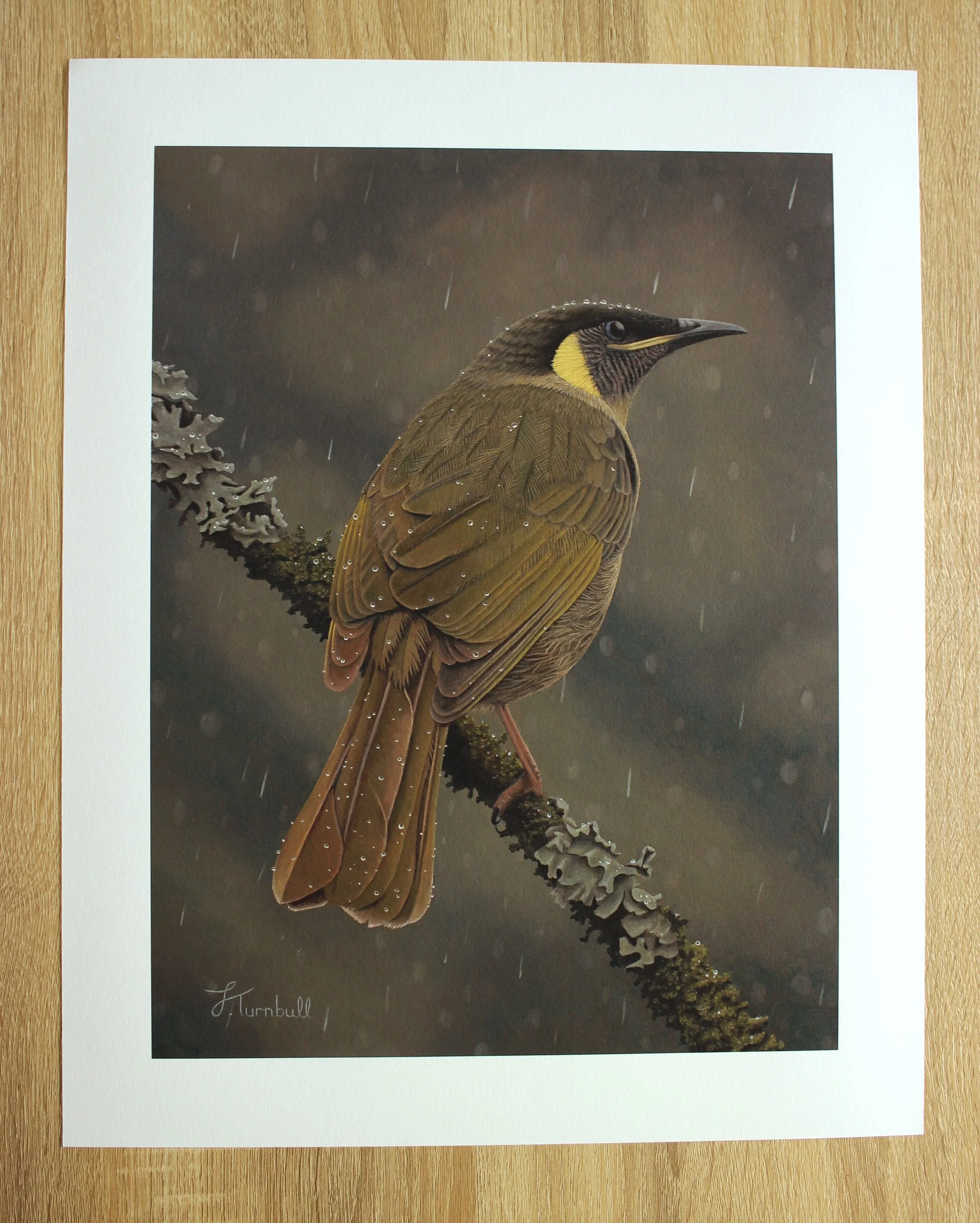
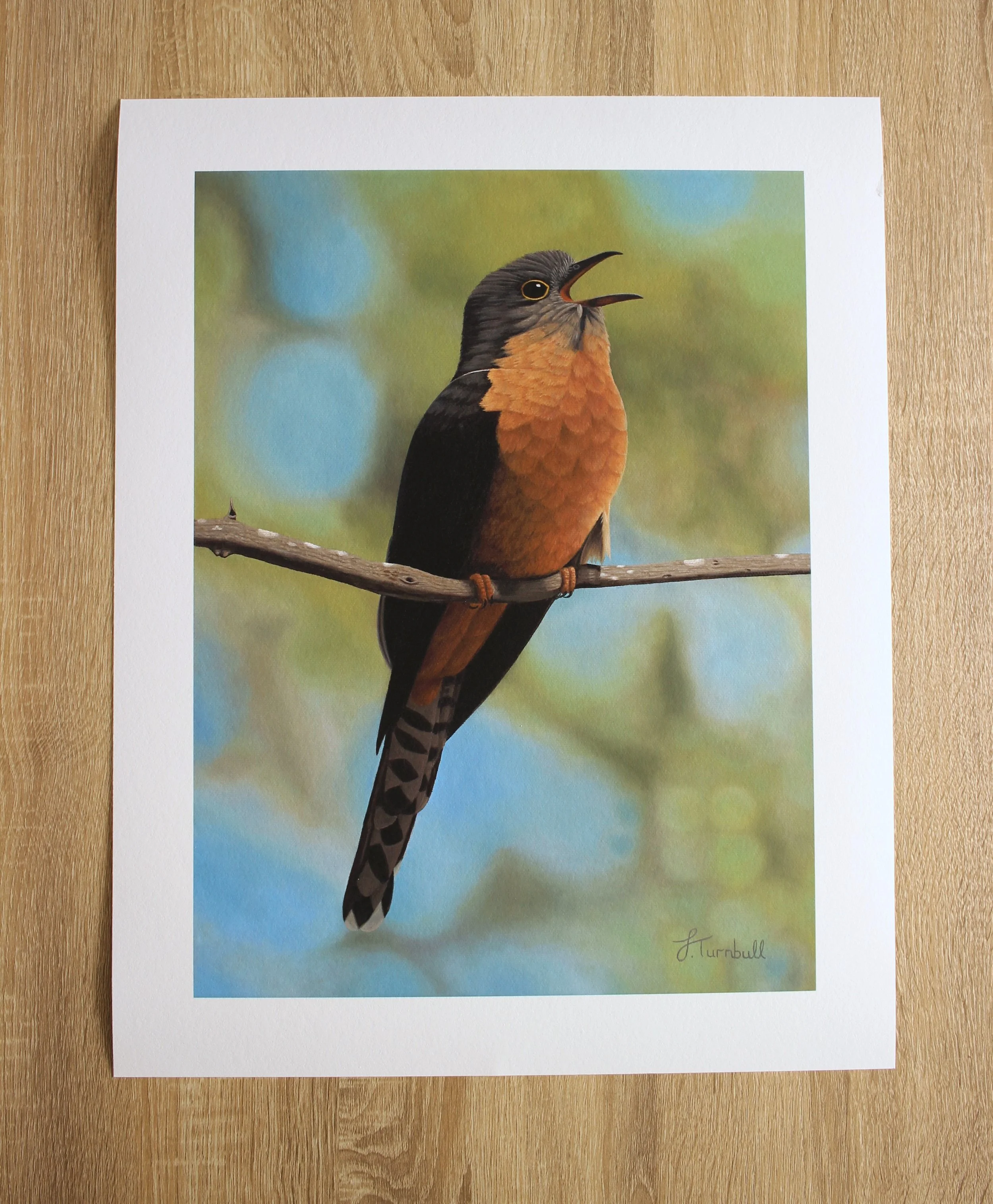
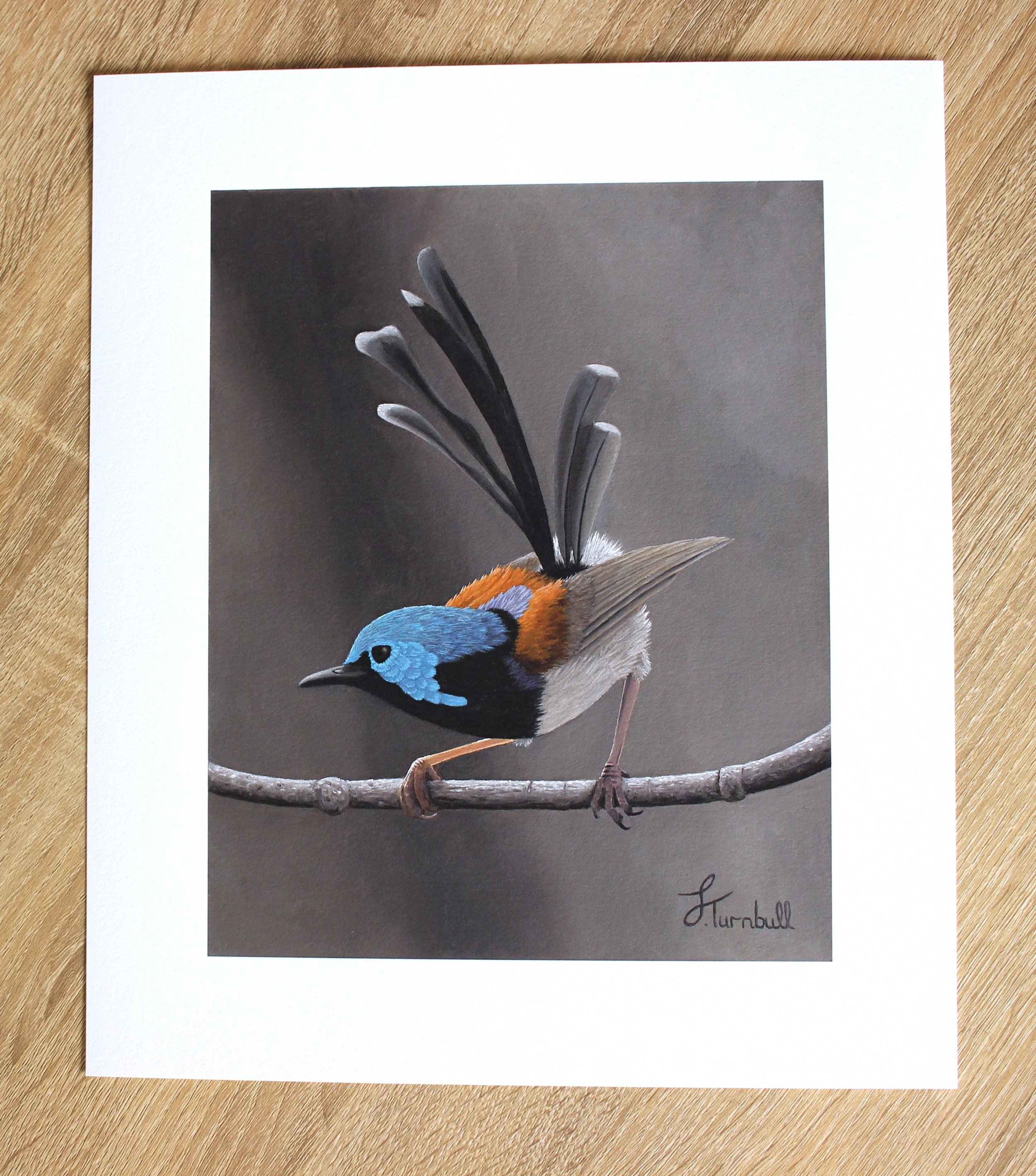
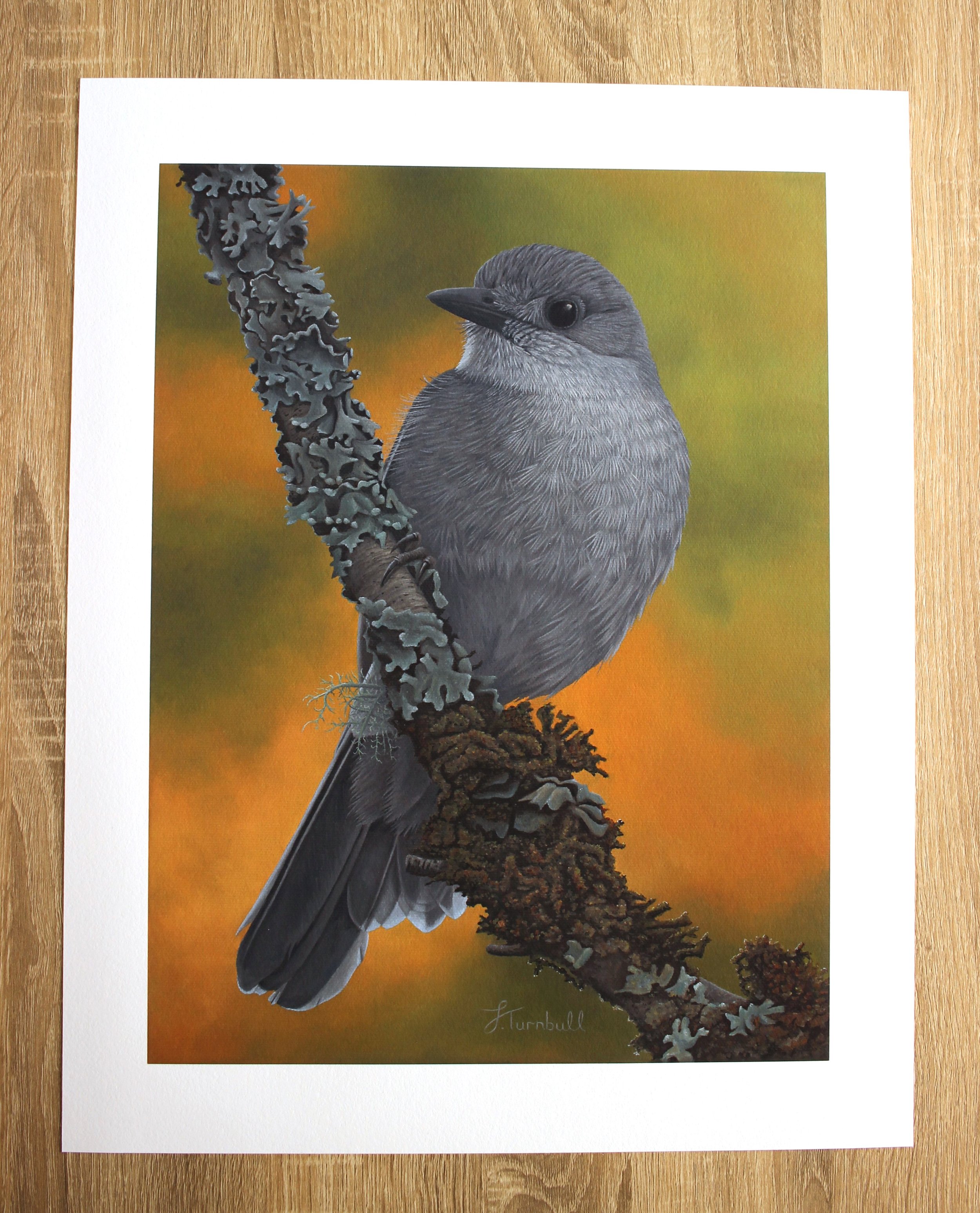
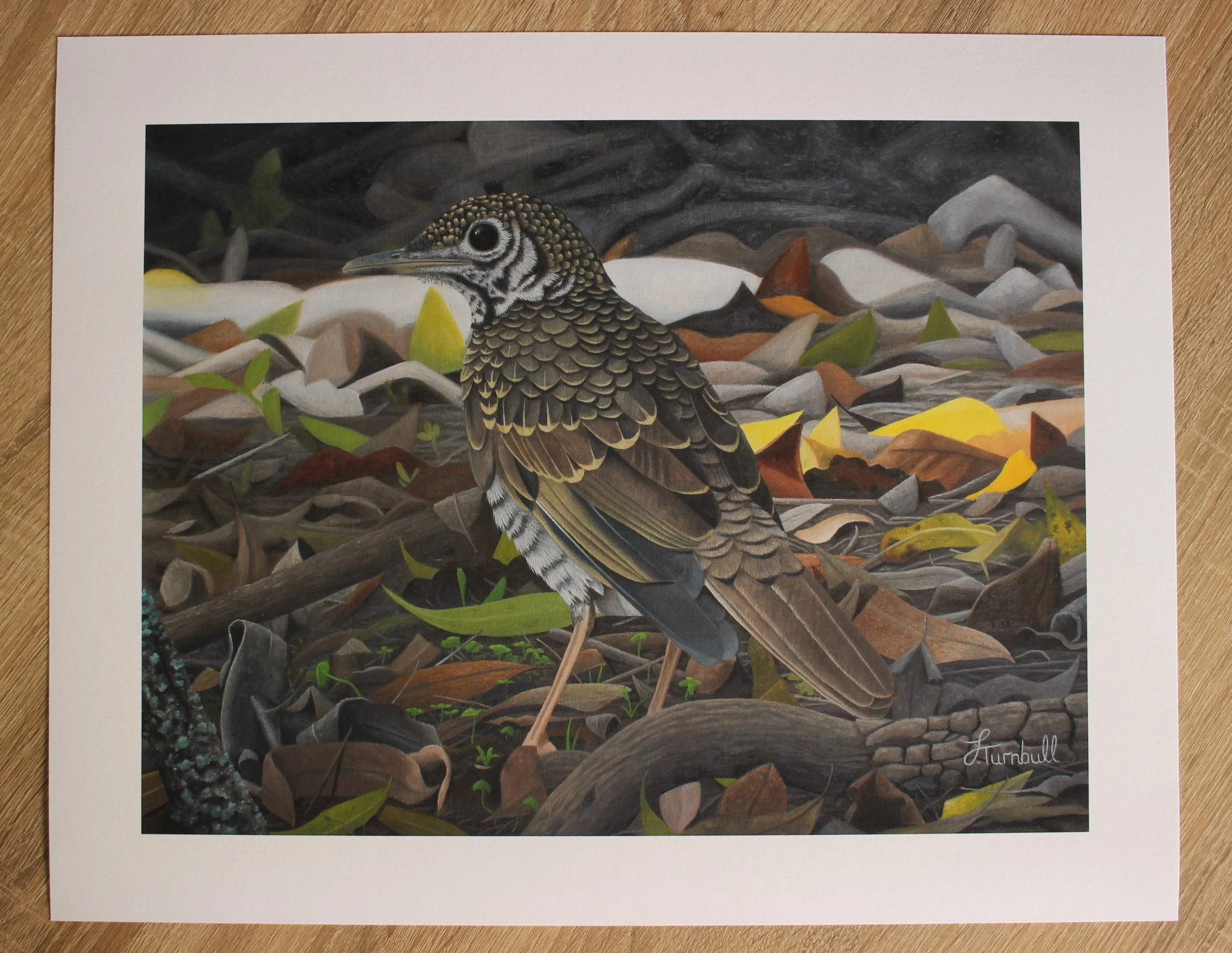
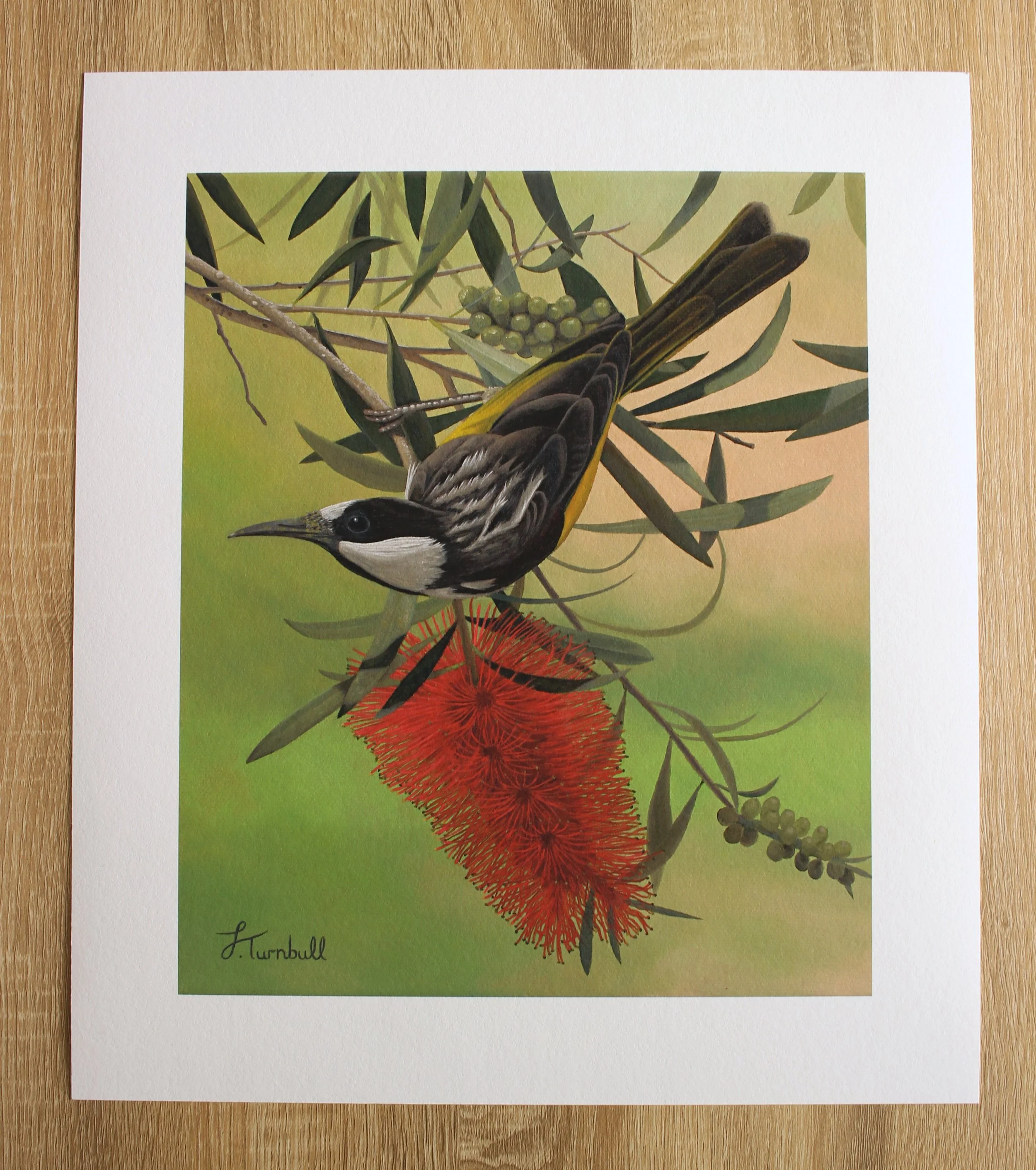
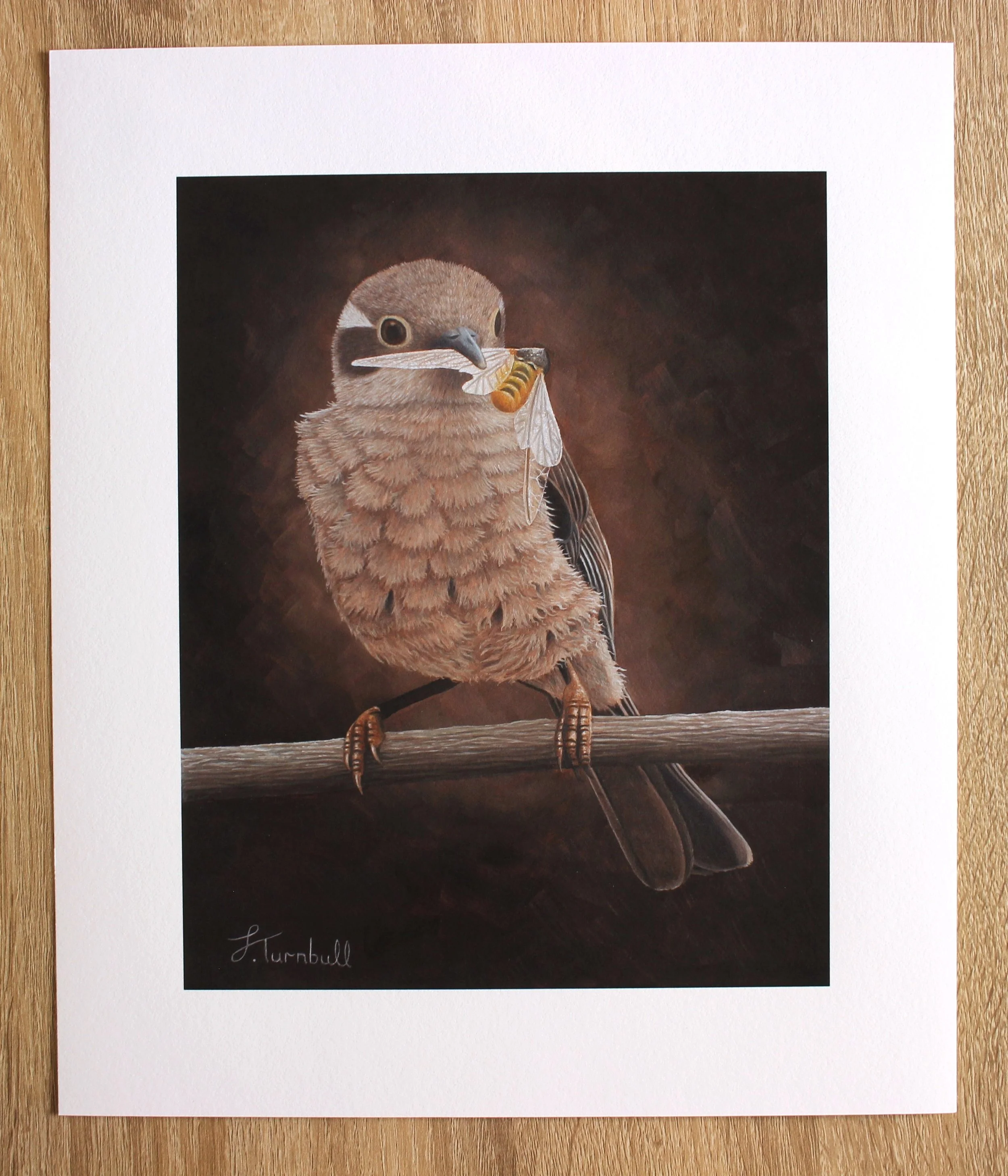
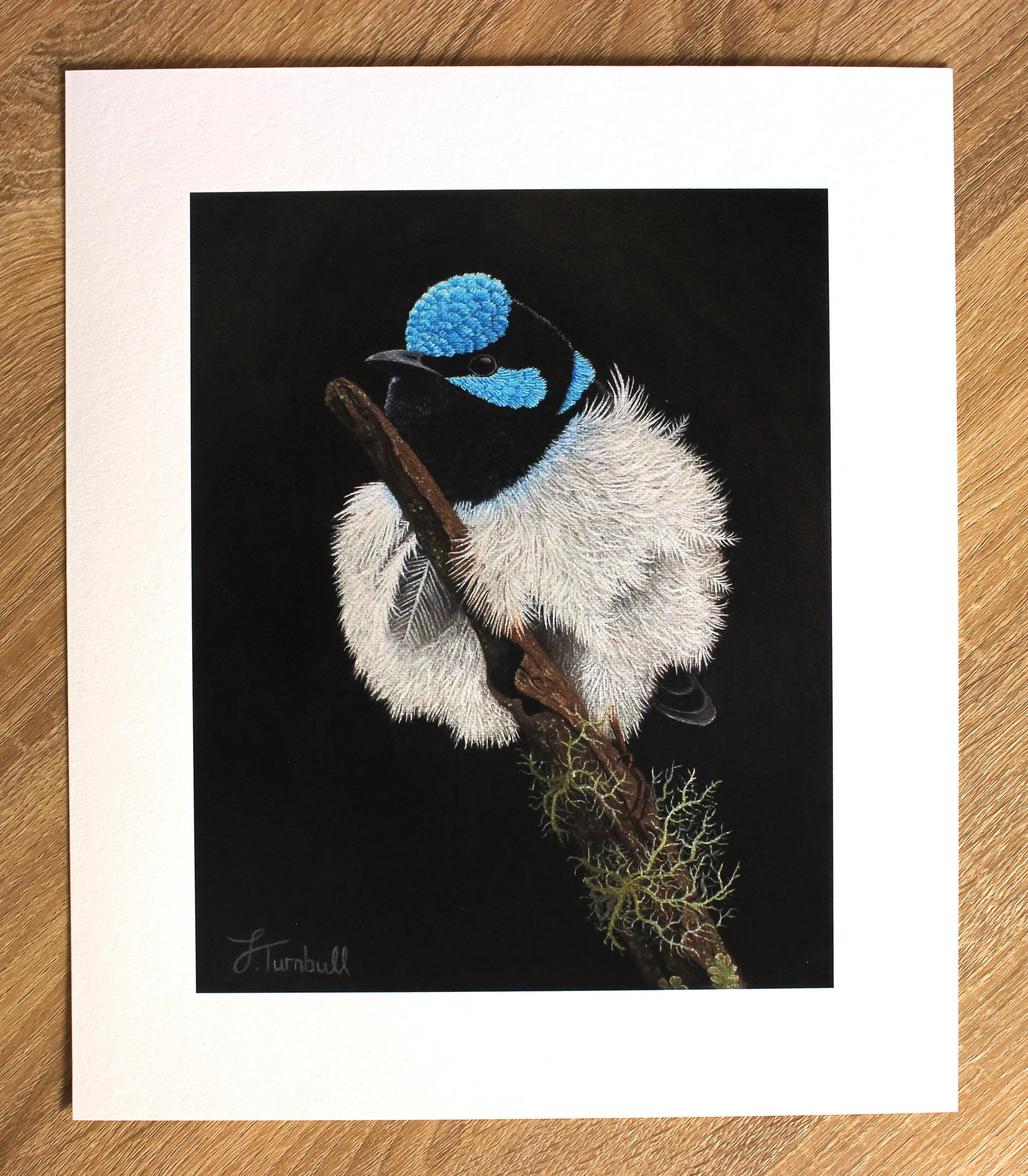
These is an option to add a white border around your Giclée print if you desire at no additional charge.
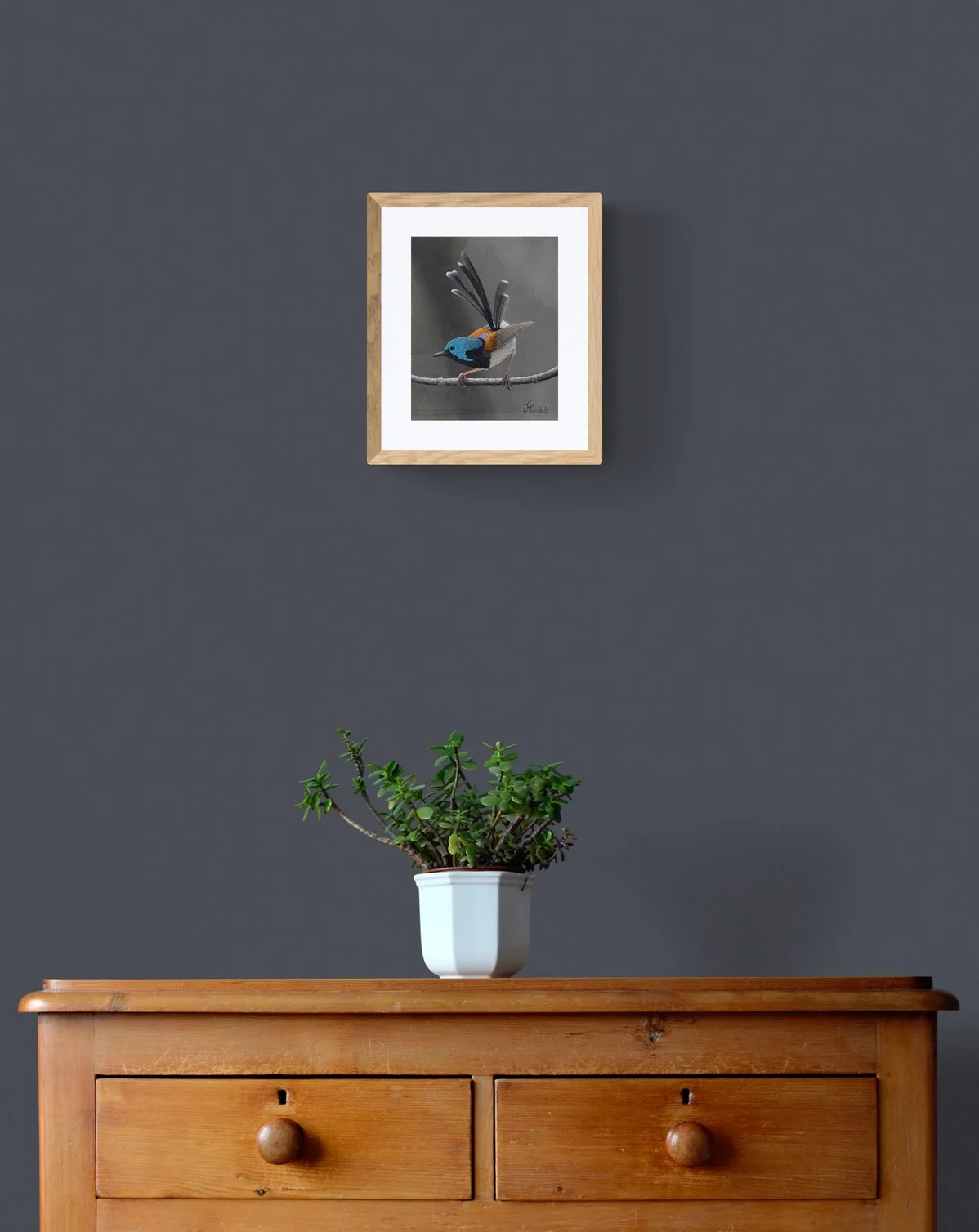
It really depends on how you’re choosing to display your Giclée print. If you’re planning on framing it yourself, I would suggest adding a border which will fit well with the frame you’re choosing. For example if your frame has a 4 cm Matting, I would suggest getting a 4cm border. If you want your frame closer to the artwork of the print, opt for no border, its entirely your preference.If you plan to get your print professionally framed I would add a 4cm border. The professional framer can add whatever size matting you desire so its probably less important what you choose, they can always cut down the 4cm border if necessary.